Crime and Punishment only lands if you're unstable reading it — it refuses a clean line between good and evil and makes that confusion the whole point.
Spoilers for Crime and Punishment below.
Would you like to hear a story?
Not today.
This one I'll only tell you about. The reading, you do yourself. Some stories aren't meant to be heard — they're meant to be lived, and living is a strange, private thing. Everyone does it their own way. Which is exactly why the same story turns into a different story for every person who picks it up.
The hero of this one is a criminal. His own beliefs are running dead against his own life, and he can't stop either one. There's a contradiction sitting in him between what he decides and what those decisions cost — and that contradiction isn't some literary device, it's just circumstances, decisions, consequences. Exactly like your life. Exactly like mine.
Yes. I'm talking about a book told from the perspective of a murderer. I'm talking about Crime and Punishment.
I can't tell you the story. I can tell you my experience of it — and who knows, maybe that counts as a story too.

Let's start at the actual start. August 19 is my birthday. I'm not someone who thinks his birthday is more special than any other day on the calendar — but I decided, why not give myself something for the occasion. Big-hearted of me, I know. And when you're talking gifts, what beats a book? Some of you are already thinking this is just an excuse to buy another book. You're right. And you're also liars — exactly like me. Fine, let's say the "gift" was a dumb lie I was telling myself. It was still my dumb lie. And there's a dumb truth buried in that: your dumb lie, however dumb, still beats someone else's clever truth — because it's yours. Enough about my lying. Back to the book.
August 24, it's in my hands. It took me a while to get through — I'm not an active reader, and I read for pleasure, which means I re-read pages and chapters more than once when something's worth it. With this one, that happened more than usual.
This book landed differently for me, and I think it's because of when I read it — I wasn't doing great. Mentally I was in a strange place. And maybe that's exactly what this book was built for: instability.
Crime and Punishment is a psychological novel. Reading it, you'll feel a lot of things get stirred up that can mess with your own headspace a little. So — and this is only my opinion — don't read this one when life is good. The worse things are for you, the more of this book you'll actually understand.

Here's the thing the book is missing, and the missing is the whole point: a single certain line between good and evil. The blurrier that line looks to you, the harder this book is going to land on you. Whether that's a good thing or a bad thing, I genuinely don't know. Maybe that's why I believe — strongly — that you need a little bit of mental disturbance in you to actually enjoy Crime and Punishment.
If you're reading this expecting a book that makes you feel good through its plot or its climax, this isn't that book — even though the plot holds up fine. What makes Crime and Punishment what it is isn't the story. It's human emotion, human nature, written the way Fyodor Dostoevsky wrote it — which is to say, unforgivably well. Pain, disgust, helplessness, written out plainly instead of hidden inside some other, easier feeling. That's rare. Most writing pairs a hard emotion with a softer one so the story stays comfortable to sit with.

Take pain, since the book is drowning in it. There's an easy way to make pain sit well with a reader — attach it to something positive. Discipline. Success. The character claws out of a bad life into a respectable one, and we eat that up, because we've all hurt, and we want our own hurt to end up somewhere decent too. Every self-help book on the shelf runs this exact pattern. It feels relatable. It isn't, really — it's just written to feel that way. And some part of us always knows it's a performance, or one book would be enough to fix anyone's life.
Dostoevsky doesn't do that. Pain attached to happiness doesn't turn into happiness — it still hurts exactly as much, and Crime and Punishment proves it. He still glorifies the pain, don't get me wrong. He just does it so that what you feel from the pain is more pain. Blood is never beautiful. Suffering is never easy. Those things have always been ugly — and the more honestly you show the ugliness, the more beautiful the writing of it becomes. The more you let grief be grief, with nothing attached, the more peace you get out of it.

Every character in this book thinks differently, believes differently, and none of them agree with each other for long — which is the point. Rodion Raskolnikov is the hero: clever, helpless, poor, sick, and arrogant, all at once, which sounds contradictory because it is. He's not the only reason to read this book, though — I could talk for hours about half the cast, especially Porfiry Petrovich, my favourite character in here. You'll be convinced Raskolnikov is the smartest person in the room right up until he's sitting across from Porfiry. Their conversations try to tear each other's thinking apart, and what you realise fast is that their minds are identical and completely opposed — two sides of one coin. I don't know how many times I've reread those conversations between them. The way this book handles criminal psychology and human behaviour through their dialogue is past anything else I'd read before it. Past it in a specific, uncomfortable way — these conversations are good enough that a murder starts to sound reasonable while you're inside them. It's the same unease sitting under Thomas Shelby, if you've read that piece — a man you shouldn't be rooting for, and you are anyway, and the book never once lets you off the hook for it.
Crime and Punishment is famous enough that I'd heard about it for years before I ever opened it. It earns every word of that reputation. If a writer can make your own happiness feel cursed to you by how well he writes someone else's sorrow, I don't have a better definition of a masterpiece than that. I'd planned to make a video about this book. I hadn't planned on making it the main video on the channel. The book didn't give me a choice. Some videos remind you why you do this work at all. Some books aren't read — they're lived. This is one of them. Read it. Then you'll know I'm not an idiot for living inside these stories.
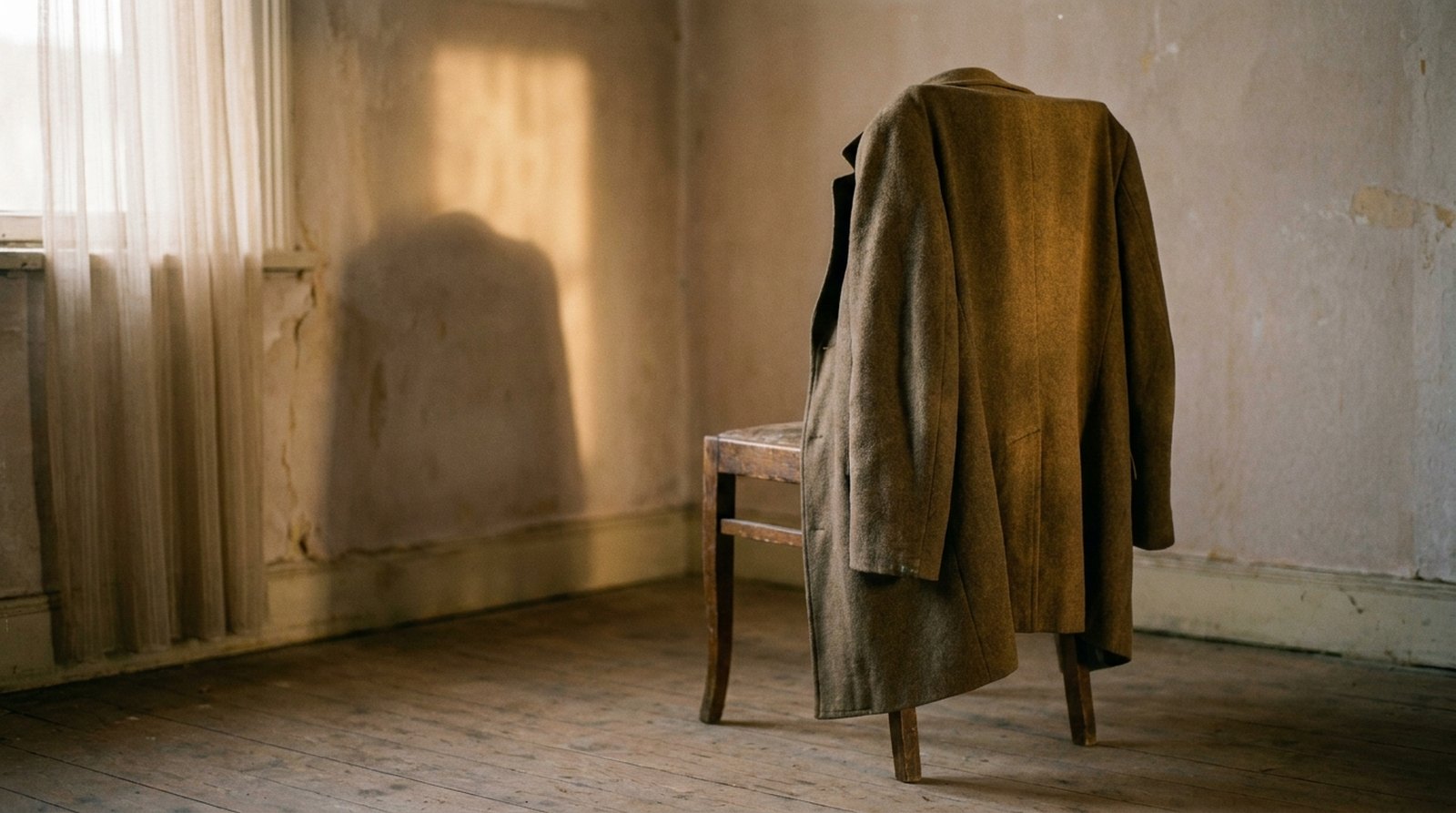
A belief forms that can excuse any crime, and it's born out of one immoral act. That act gives birth to a confusion — between good and evil, between normal and abnormal, between helplessness and arrogance, between an immoral belief and a moral punishment. I promise you'll feel that confusion yourself.
Because that confusion isn't a side effect of the book.
It is the book.