Socrates, Epicurus and the Gita argue death is no loss at all; what you actually fear is attachment to being alive, not death itself.
जातस्य हि ध्रुवो मृत्युर्ध्रुवं जन्म मृतस्य च।
तस्मादपरिहार्येऽर्थे न त्वं शोचितुमर्हसि॥— Bhagavad Gita, Chapter 2, Verse 27
Gloss: For one who has taken birth, death is certain. For one who has died, birth is certain again. So do not grieve over a thing that cannot be avoided — a thing that is beyond your power to stop.
That is the whole argument, in two lines. Krishna is not consoling Arjuna here. He is doing arithmetic. Birth happened, so a death is owed. A death will happen, so a birth is owed again. There is no comfort built into that sentence. There is a debt getting paid on schedule, and grief, read this way, is just you arguing with a bill you already agreed to the day you were born.
The verse mentions rebirth in the same breath it mentions death. We are leaving rebirth alone today. Today the question is smaller and worse: what is death, actually?
Start with the body, because the body is the easy part. Biologically, death is just failure — the heart stops moving blood, the body is no longer capable of keeping the person inside it alive. Ask any ordinary person what they think of death and they will tell you it is bad, because death carries no positive emotion with it, none at all. And yet step back from the feeling and look at the mechanism: death is not just important to how life works. "Necessary" is the better word. Life does not get to keep its shape without it.

So the philosophers. Socrates thought death was a dreamless sleep — one you never wake from, if you rule out an afterlife. And if there is an afterlife, you get something better than sleep: a chance to sit down with every wise person who ever died and actually talk to them. Either way, Socrates thought fearing death was pointless. His logic was simple enough to be annoying — if you can still gain knowledge after you die, in what sense did dying cost you anything?
Plato went further. For him the body is not a home, it's a cell — it keeps your mind locked up while you're alive, and death is the only key that fits the door. Get out, and if you had the capacity for it while you were in here, you meet knowledge on the other side that you could not have imagined from inside the cell. Both men are, in their own way, selling you the same idea: that the thing on the other side of death might not be a loss at all. It might be an upgrade you can't verify from here.

Epicurus didn't bother with any of that. His version of death was small enough to fit in one sentence: death is the cessation of sensation. That's it. And because of that definition, fearing death is, to him, a logical error — death and life are never in the same room together. While you are alive, you are not experiencing death. Once you are dead, there is no "you" left to experience anything, including the absence of life. You cannot be harmed by a thing you are never present for. His whole philosophy runs on pleasure and the avoidance of pain, and this is just that same engine pointed at the one fear everyone assumed was unbeatable.
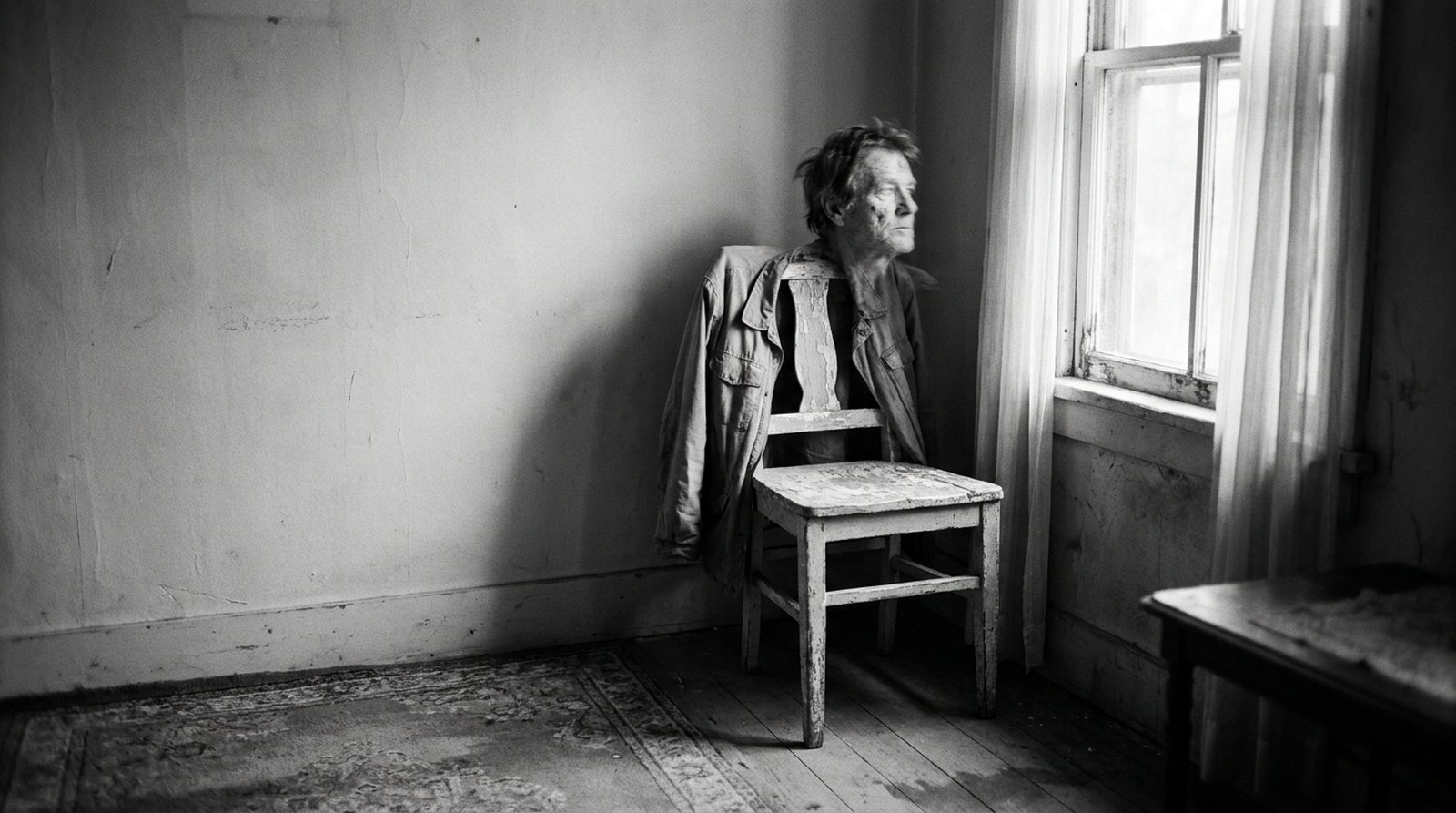
Here's the part worth sitting with: if everyone already knows death is certain, why are we still afraid of it? There are really only two reasons anyone fears their own death — purpose, and attachment. Purpose first. Every person is carrying around some version of a thing they want to get done, for themselves, for people they love, or for the world generally. A man without a reason to be here is already, in every way that matters, dead. Take the purpose away and a life doesn't have much of an argument for existing, let alone a price on it.
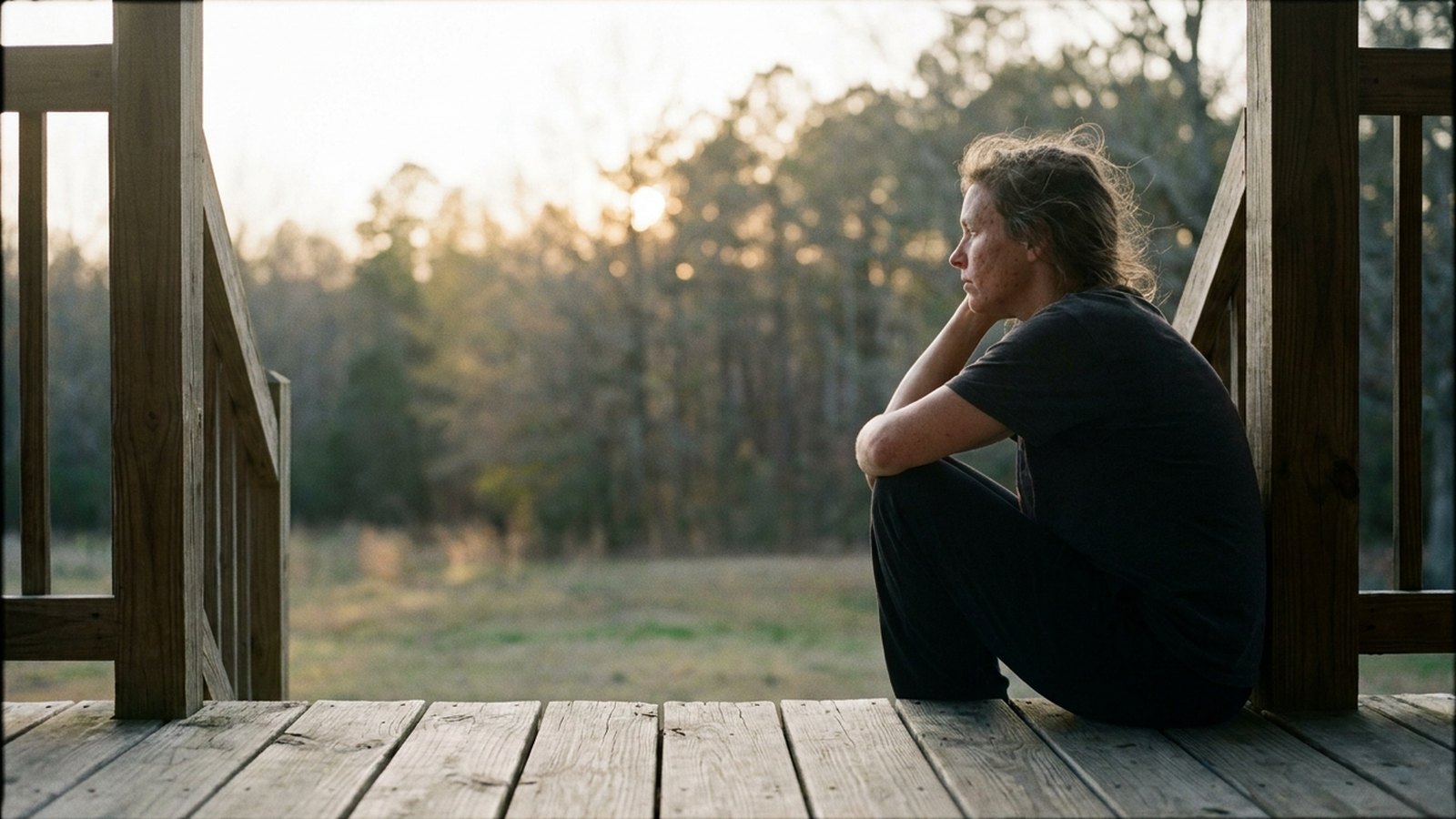
Attachment is the second reason, and it's the one people get wrong. Attachment isn't only to other people or to things — it's attachment to yourself, to being the one who is alive. That attachment is what actually frightens you, not death on its own. When someone close to you dies, the thing tearing you up is not, strictly, their death. It's the attachment you had to them. And attachment is a bodily thing, not a spiritual one — your consciousness can carry grief, but there's a real argument that whatever is underneath that, the part some traditions call the soul, doesn't hold attachment at all. What you are actually afraid of, most of the time, is your own coming loneliness — not the other person's ending. Add in plain survival instinct, a brain built by evolution to flinch from anything that smells like death, and you've got the whole machine. Should you just accept the certainty, then? That question is a lot more complicated than it sounds.
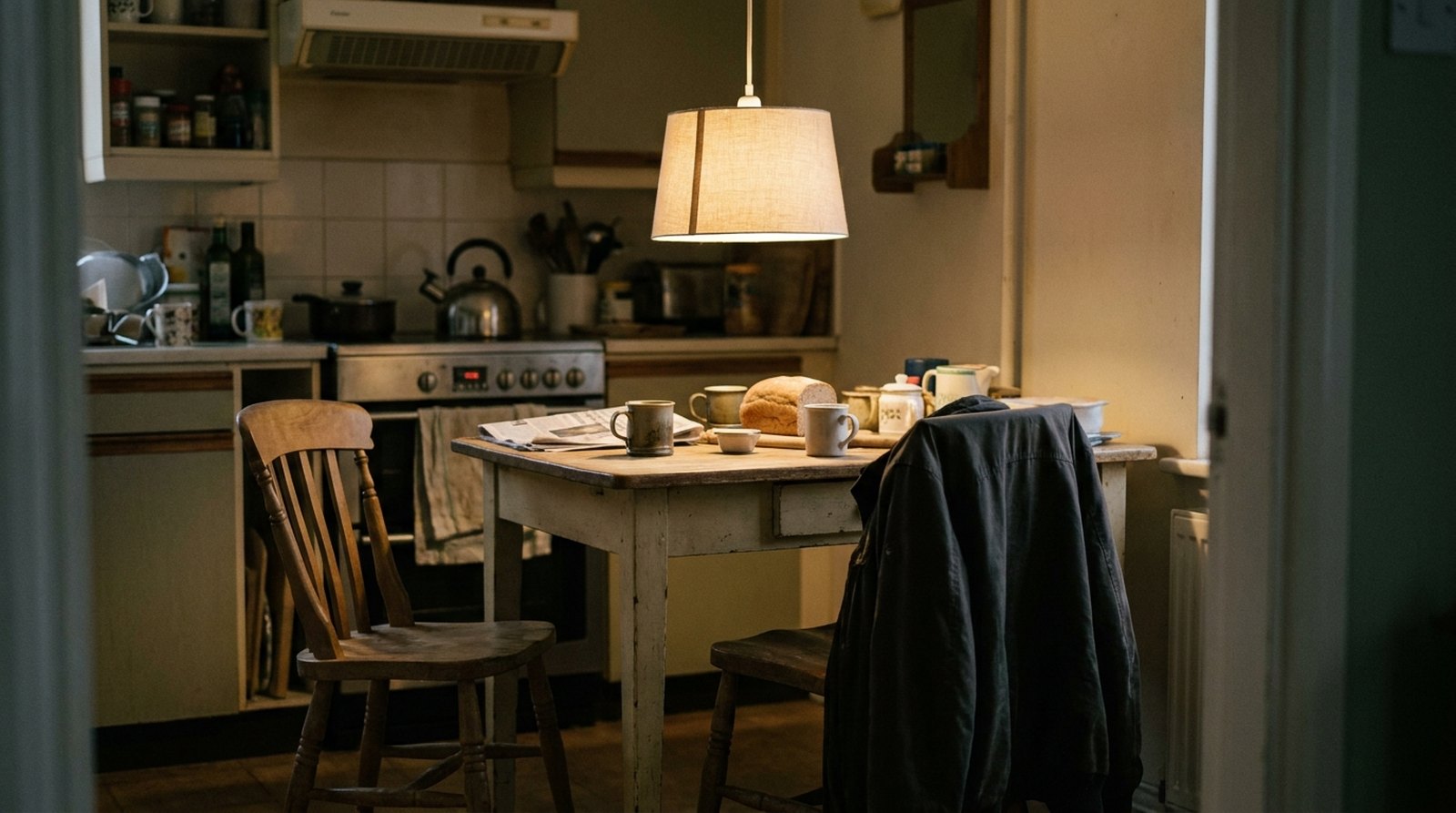
Here's a test case for that complication. If the fear of dying disappeared from your life completely, would that make you brave? Follow that logic all the way and the people who end their own lives would be the bravest people alive. They are not. When someone takes their own life, the thing driving it isn't an absence of fear of death — it's a fear of continuing to live. Those are not the same fear pointed in opposite directions. But there is a real state where someone does not hate life and still accepts death happily: samadhi. In that state a person finds an inner peace next to which the value of staying alive gets so small that giving it up feels like no sacrifice at all.
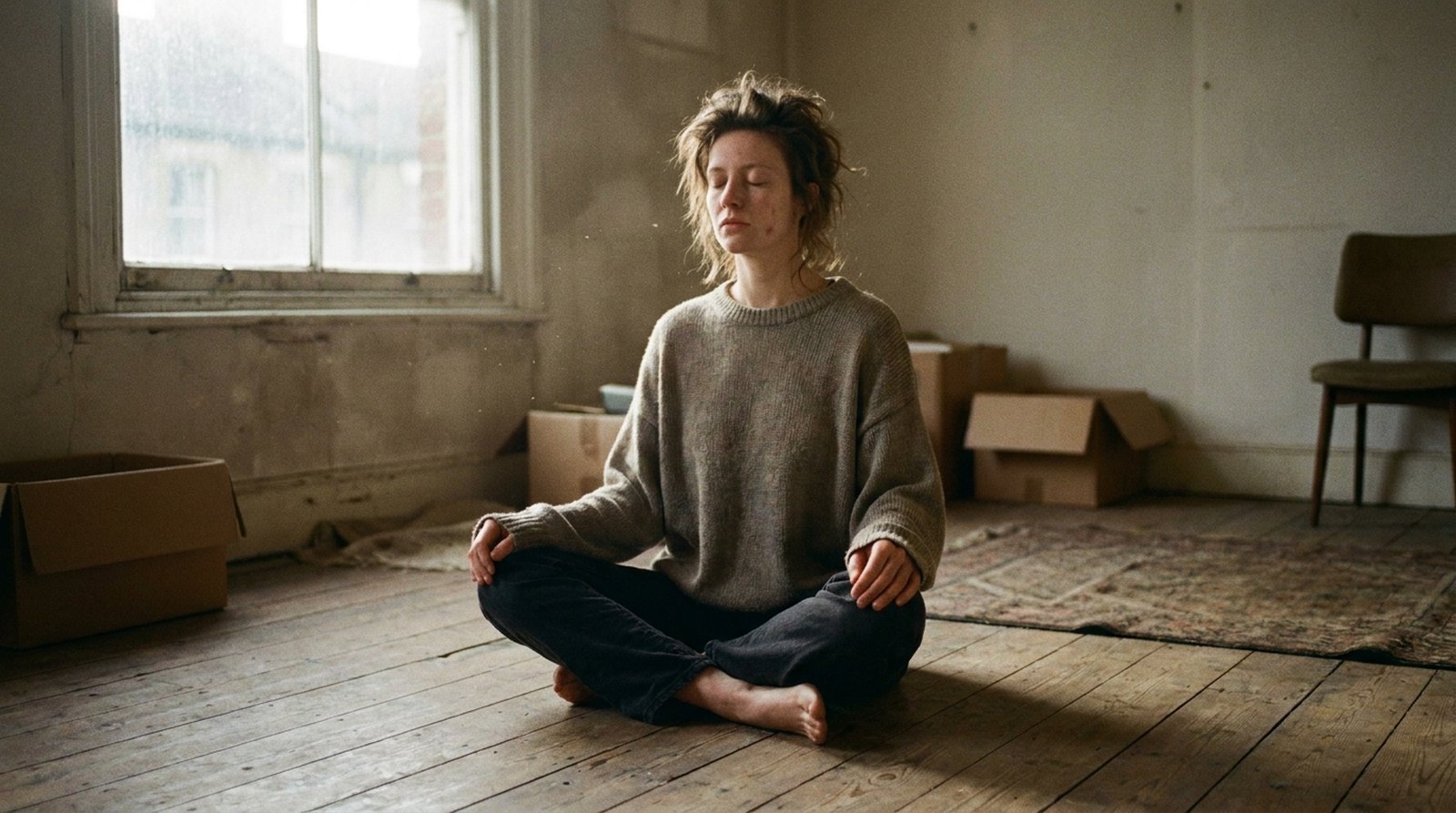
Getting to that state is not a weekend project. Finding that kind of peace means mastering your own mind and getting complete control of your senses, which is considered the highest level meditation can reach. It does not arrive easily for an ordinary person. It takes years of practice and a stability most people never build.
Whether or not there's rebirth, whether or not there's another life, whether death turns out to be a dreamless sleep or nothing like one — one thing stays fixed. An end. The end of this body, specifically, the one you're using right now. And that end is doing something for you: life is beautiful because it has an end and because it is limited. Take the end away and the whole thing loses its price tag — not to you, not to the world, not to life itself. Death is the thing constantly telling you that a day is coming when all of this stops, and that is exactly what lets a person live without flinching.
That is the real beauty in it — that it ends. Death is what proves you're bound to time at all; there is no such thing as time if there's no death to make it matter. So never dying is not the gift it sounds like. It's closer to a curse. If nobody ever died, life would stop meaning anything. And if it were only you who never died, that would be worse, not better — you'd watch everyone you love die anyway, over and over, because attachment is the pain, and you'd keep paying it with no end of your own in sight. No death, no end. No end, no beginning. The cycle continuing isn't just important — it's necessary. अंत अस्ति प्रारंभ. The end is the beginning. You might ask, the beginning of what. Of you. That sentence deserves its own day; today isn't that day.
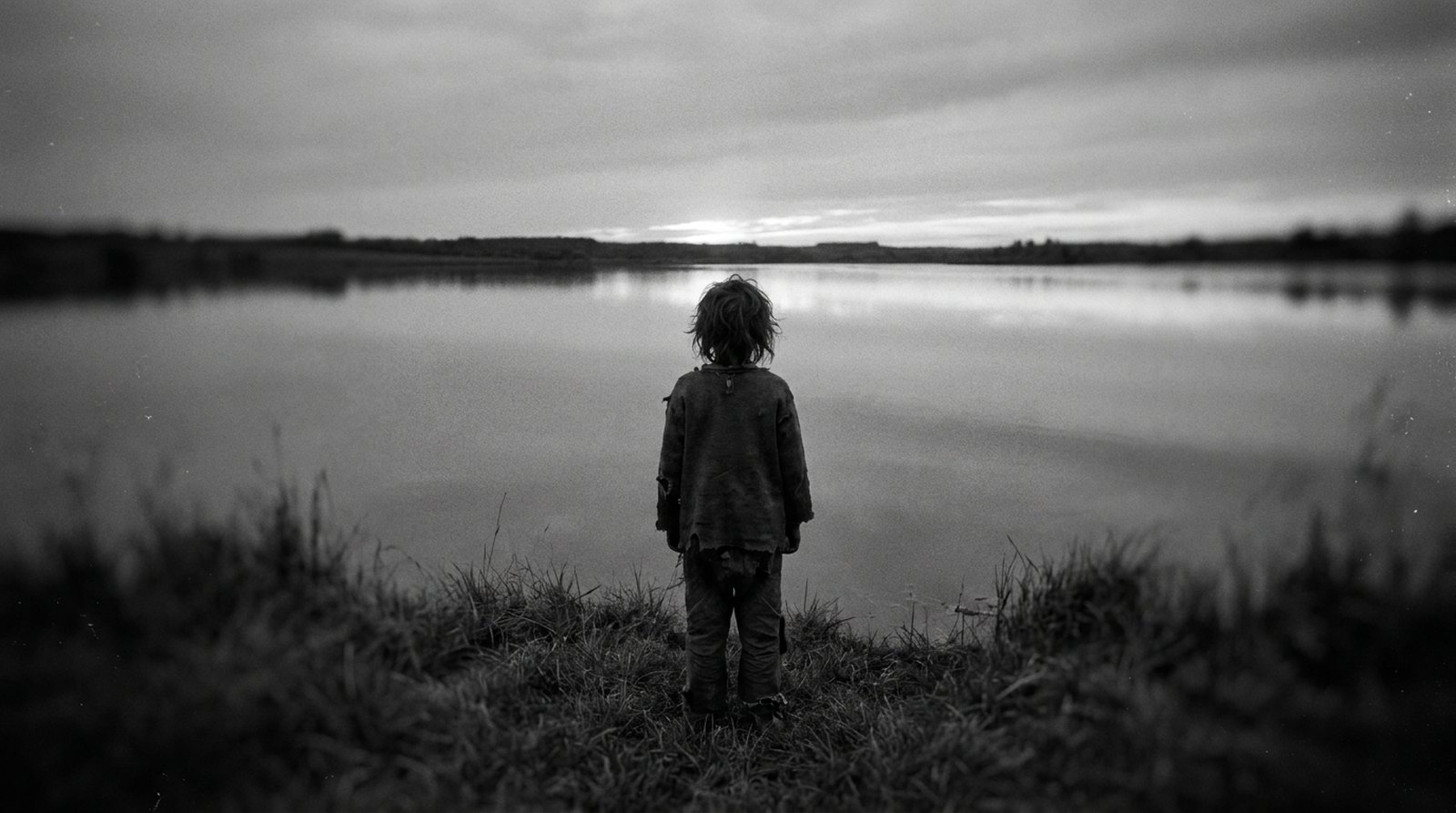
There's a second phrase worth carrying alongside that one: Memento Mori. You have to die. Listen to that carefully, because it doesn't mean you should die. It means you will, inevitably, die — there's no negotiating the clause. It's a genuinely useful reminder, the kind that puts a floor and a ceiling on your life at the same time. Going through something good? Remember you have to die. Going through something terrible? Same reminder, same weight either way. Whatever is happening to you right now, your end is fixed regardless, and that one sentence keeps a strange kind of balance running underneath everything else.
So, finally — what's the actual opinion here, on death itself? Death matters. And the fear of death matters just as much, because fear is the only thing forcing you to love being alive in the first place. The only rule worth keeping is that your fear of dying should never grow bigger than your actual life. Knowing something ends, and still doing it anyway — that's the whole trick, and there isn't a cleaner way to say how good that can be.
Marcus Aurelius closes Meditations on a version of the same idea: it makes no difference whether you live a hundred years or a thousand — a person only ever loses the life they are currently living. The present moment is exactly the same size for someone who lives long and someone who doesn't. It would be foolish to think the shorter life lost something extra, because you can never lose what was never yours to keep. You only ever had one life to lose. That's where it ends — not with the fear gone, not with an answer, just with that.
None of this — not the shloka, not Epicurus, not Marcus Aurelius — has ever actually talked anyone down in the real moment of being afraid to die. Say that out loud, because it's true, and every tidy argument in this piece pretends otherwise.
If you're carrying that fear harder than usual this week, or carrying grief that attachment left behind, say it out loud to a person you trust, or a doctor — not to a shloka, not to a Stoic. That part was never going to come from a book.