Four versions of the trolley problem show your moral judgments track circumstance, not virtue, once a choice starts costing you something.
It is all about a choice. Yes — choice. The thing that shapes your whole life. The thing with the power to build you or wreck you. Choice, which is maybe within your control. Maybe. Most of us walk around assuming every decision splits clean into two opposite outcomes — right or wrong. But does any decision ever actually stay that simple? And what even is "right" and "wrong"? Morality, decency, the thing the whole of society is supposedly built on standing on top of — what happens to it the moment every single option in front of you leads somewhere destructive? Good and evil, right and wrong — what's left of your morality then? Forget goodness for a second. Forget morality. Forget outcomes. Let's talk about the moral dilemma.
Here's the plain version. A moral dilemma is a situation where you have to pick one option out of two or more. That's not quite right — let me say it again, properly this time. A moral dilemma is a situation where you must pick one option, whether you want to or not. Sounds almost forceful when you put it that way. It is forceful. In a moral dilemma the choice is not optional. You will choose. That's the actual difference between a dilemma and a problem — a problem, you can walk away from. And here's the part that matters most: it does not matter which option you pick. Every outcome is bad. None of them is morally "right" or "good." Some are wrong. Some are more wrong. Some will bruise your conscience. Some will break it clean in half.
This is your last clean exit. Close the tab now if you want to, because the real thing starts here, and by the end your idea of your own goodness might not survive it.
One easy question first, just to warm up. You're handed the chance to save five lives. The cost is one life. Five for one. Morally, that looks simple enough. Keep this in your head as you read — try, if you can, to keep those five people alive all the way to the end of this.
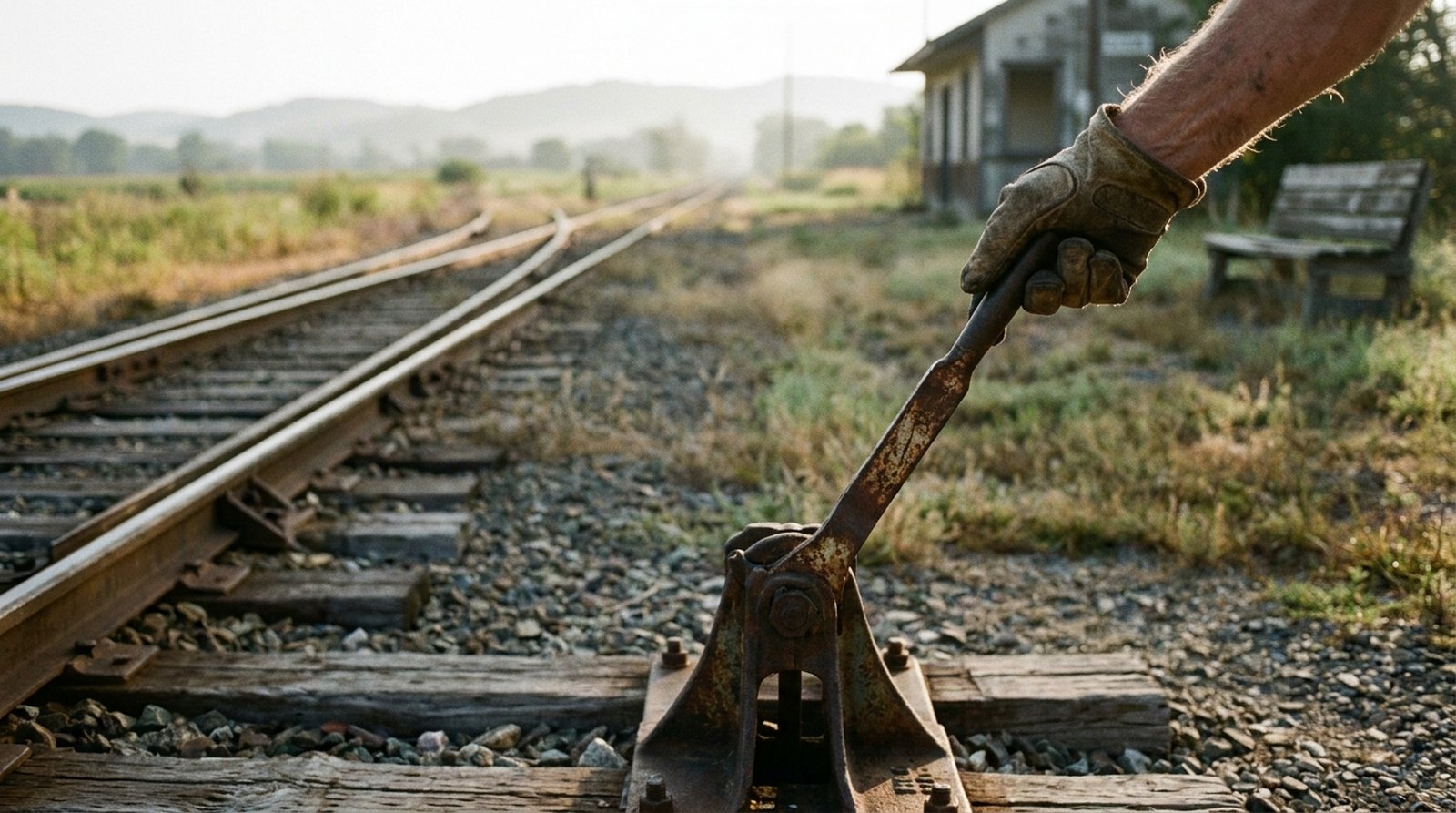
The philosopher Philippa Foot built the version of this everyone eventually runs into — the trolley problem. Here's the setup. A rail line, work going on along it. Five workers, heads down, grinding away. The tools are loud enough that every one of them is wearing noise-cancelling headphones. They can't hear a single thing outside their own work. You're three floors up, in an office that looks straight down over the yard, and you've been told to keep an eye on them. You are keeping an eye on them. Somewhere up the chain, train control has no idea anyone is working that line, and a train is already coming, fast, straight at the five of them. If nothing happens, it kills all five. That part is certain.
But there's a lever in your office. Pull it, and the train switches onto the second track. Unlucky for you: there's one more worker standing on that second track. You can't call anyone. You can't shout loud enough to reach anyone. There is exactly one thing in your hands — the lever. One accident or the other is now locked in, and it is locked in because of what you do in the next few seconds.
Before you touch anything, sit with this. If you do nothing, the five die — and they would have died even if you had never set foot in that office. Their death isn't on you. It's just what happened to them. But if you pull the lever, you are the direct reason one specific man dies. Not fate. You. Your hand on the lever that sent the train to him instead. So — which is it? The five men whose death was maybe never yours to own, or the one man whose death you'd be writing yourself, right now, with your own hand?
Maybe you pulled it. You wouldn't be alone. In the study this scenario is drawn from, nine out of ten people asked did exactly that. Reason is a strange, useful thing. A person can justify almost anything once there's a reason sitting underneath it, and we both know that for a result you can live with, you need a cause you can live with too. Right now your morality is holding up fine. Because the cause is cheap. For now.
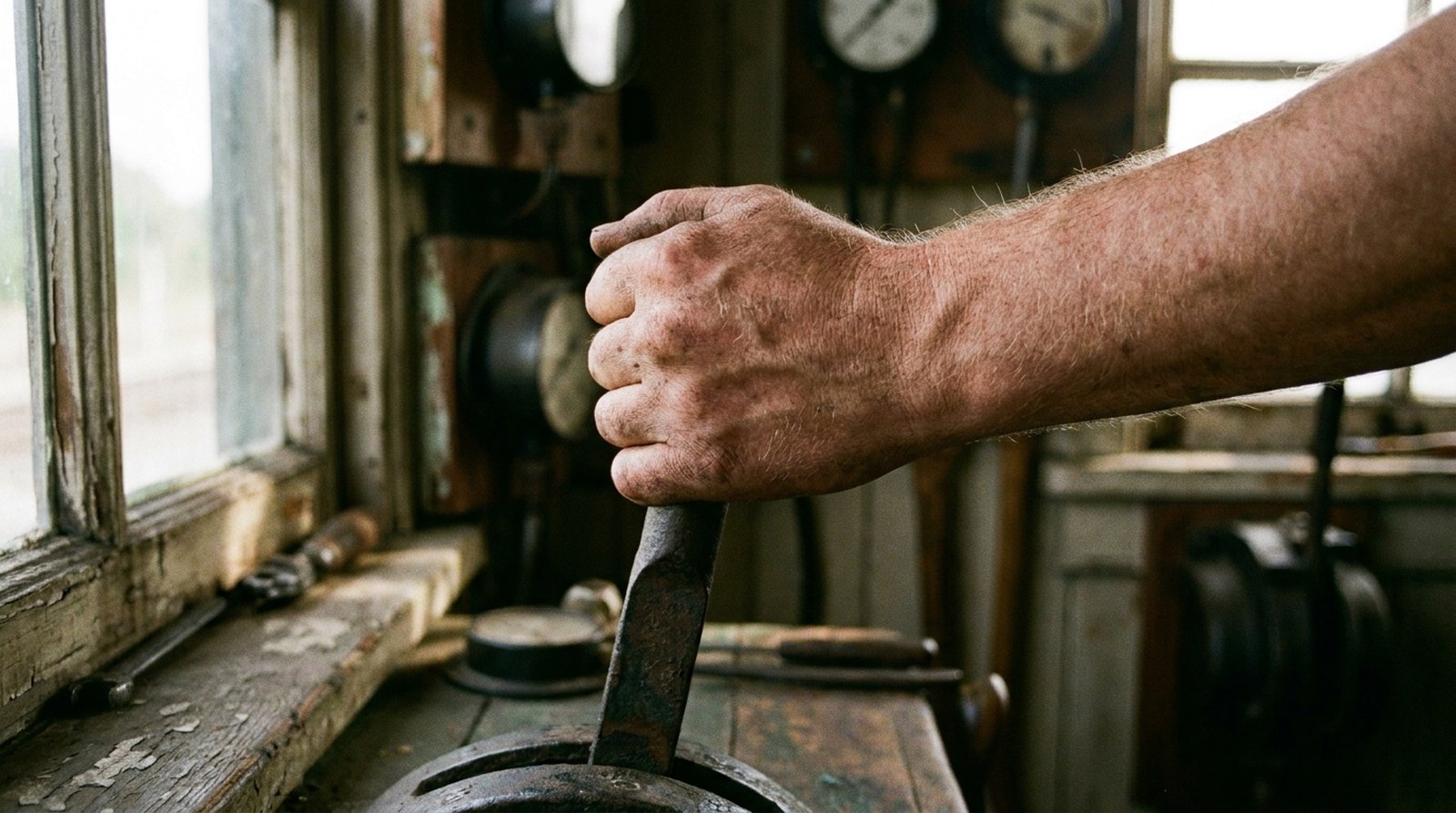
Same problem again. Same track, same train, same office, same five workers, same lever. One change. This time the man standing on the second track — the one your lever sends the train toward — is your boss. Don't ask why your boss is out there working the line, that's not the point. If he dies, you lose your job. Your only income is gone. Maybe your family ends up in real trouble because of it. But save him instead of the five, and he's already promised you equal partnership in the company. Your whole life, sorted, overnight, just like that. So — the death of five strangers who cost you nothing either way, or the life of one man who sets you up for good? Choose fast. The train is already moving.
Oh — you pulled it again. If you did, that's genuinely decent of you. Maybe a little too decent. Say whatever you like out loud about it, you already know what your real answer was going to be in the half-second before you let yourself think it over. Fine, let's keep believing you pulled it anyway. Money means nothing to you. Only goodness matters. Only morality.

One more round, same question, harder this time. Same track, same train, same office, same five, same lever. But the man who gets hit this time, if you pull it, is your father. So — your father, who is your whole life, against five strangers you have never met and never will. This time, be honest, you probably just let the five go under the train. And once again, let's pretend you're somehow still the most moral person alive, the kind of person who can sacrifice his own blood for the sake of a principle. It's a sad kind of pretending, but go on pretending it if it helps you sleep tonight.
One last version, and this is the real one. Same track, same train, same five people. But now there's no office, no second track, and no lever. There is just you, and a stranger, both of you working right beside the line. Luck put him close to the track. Bad luck put you close to him. The train is coming again, and the five are about to go under it again — unless you do one specific thing with your own two hands. Push the man standing in front of you onto the track. The train hits him, stops, and the five live. Five lives for one life, exactly like every time before. So — what's your answer now? The train has already left the station for the last time, and there's no lever left to hide behind.
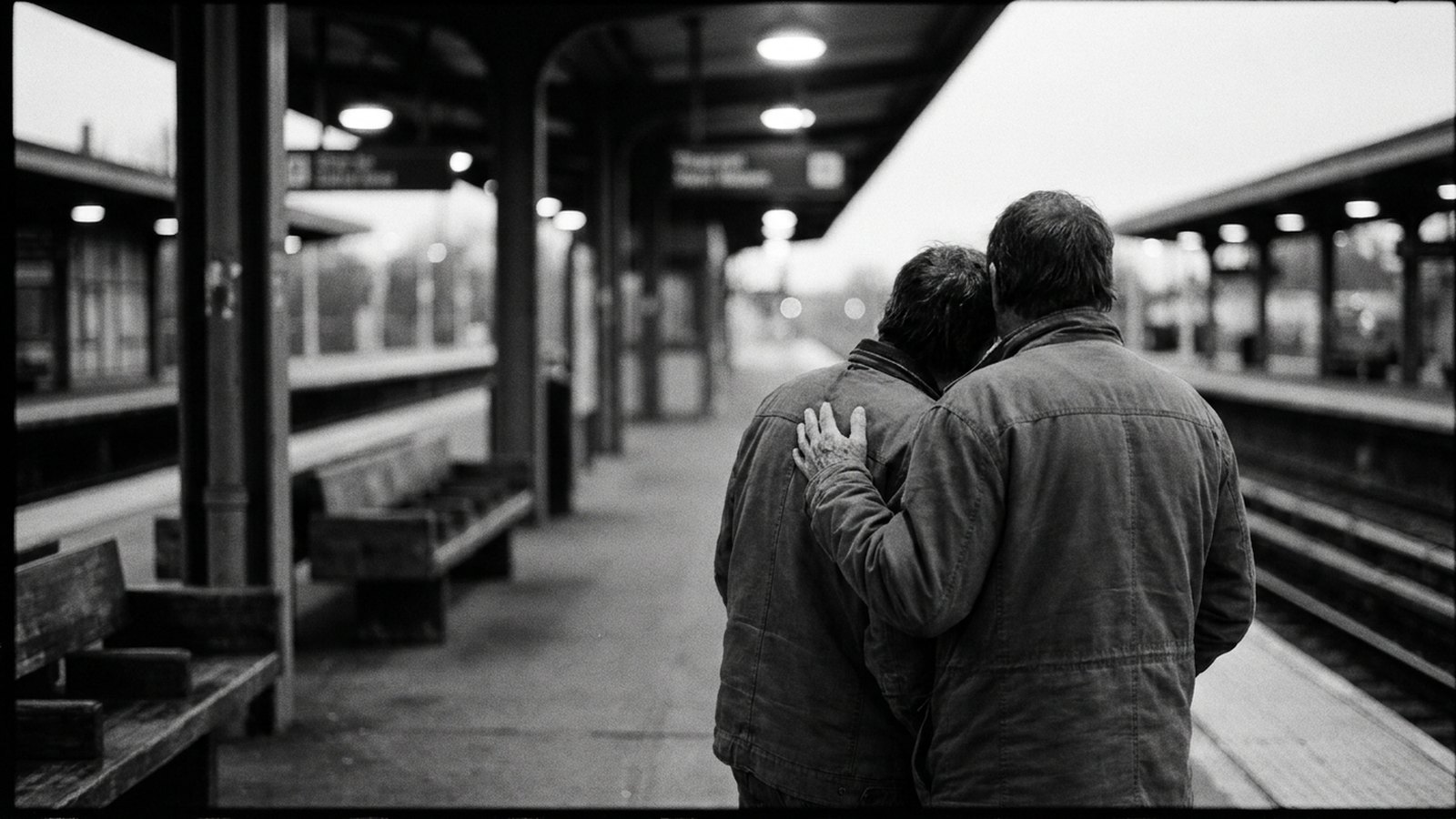
After this one, it stops mattering what you picked, because none of these were ever moral choices to begin with. Honestly, they weren't moral choices from the very first version either. In that first example you were only ever choosing — there was nothing in it for you, nothing to lose. That's exactly why it felt clean to pull the lever: you tell yourself you're ending one life, but really you're saving five, and the arithmetic lets you feel good about your own hand on the switch. The second example is where your goodness actually takes a hit, because for the first time there was something to gain and something to lose on both sides. Everyone wobbles at that one for at least a second. It's about money, after all, and money has a way of getting into the room uninvited.
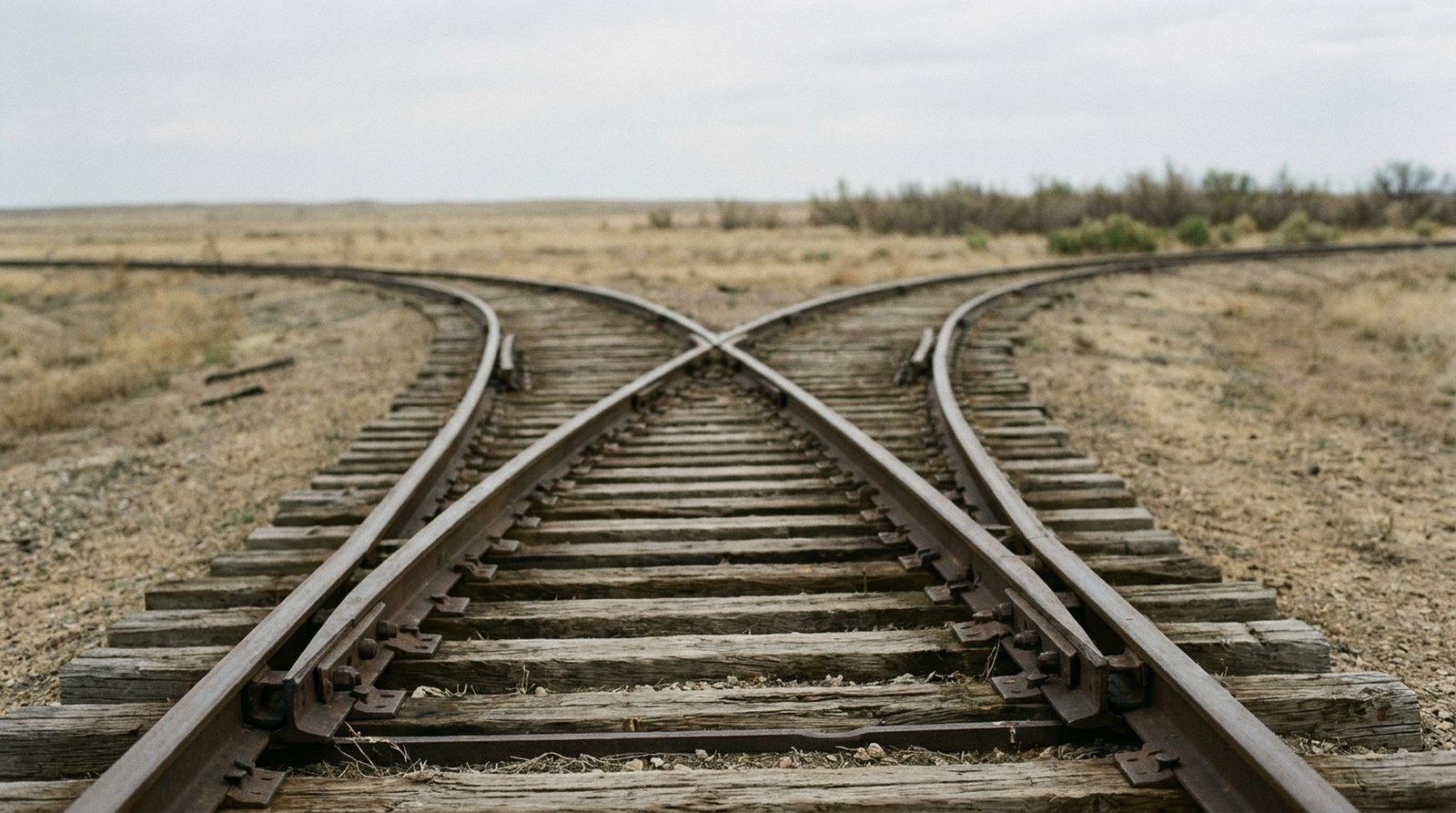
But the real test was the third version, the one with something enormous actually on the line for you personally. That's the part worth sitting with — how completely circumstance rewrites the outcome you'd swear, in the abstract, you'd never budge on. And the fourth version wasn't there to introduce anything new. It was there so you'd notice, finally, that saving five has always meant killing one, no matter which method you dress it up in — a lever thirty feet away or your own two hands on a stranger's back. What should genuinely unsettle you is that the five lives were worth a different amount in every single version of this. The lives you saved without a second thought at the start, you sacrificed just as easily by the end. This same arithmetic runs quietly under things that aren't thought experiments at all — a doctor deciding who gets the one working ventilator, the lines of code a self-driving car is given for the half-second before a crash it cannot avoid, a government deciding who gets vaccinated first when there isn't enough for everyone. Nobody standing anywhere near those rooms gets to be a bystander either.
I'm not telling you any of this was wrong. I'm also not telling you any of it was right. Right and wrong were never really about the person, or even about the decision itself — they were about the circumstances that person was standing inside when the decision found them. The equality of a human life and the "truth" of morality are both a kind of illusion, a hollow feeling we agree to share so the world holds together. You know what isn't hollow? Circumstance. That's the one thing in this whole exercise that was ever actually real. So don't you dare judge someone's choice without first knowing what they were standing inside when they made it. The circumstances behind someone else's choice might be more than you could carry yourself.
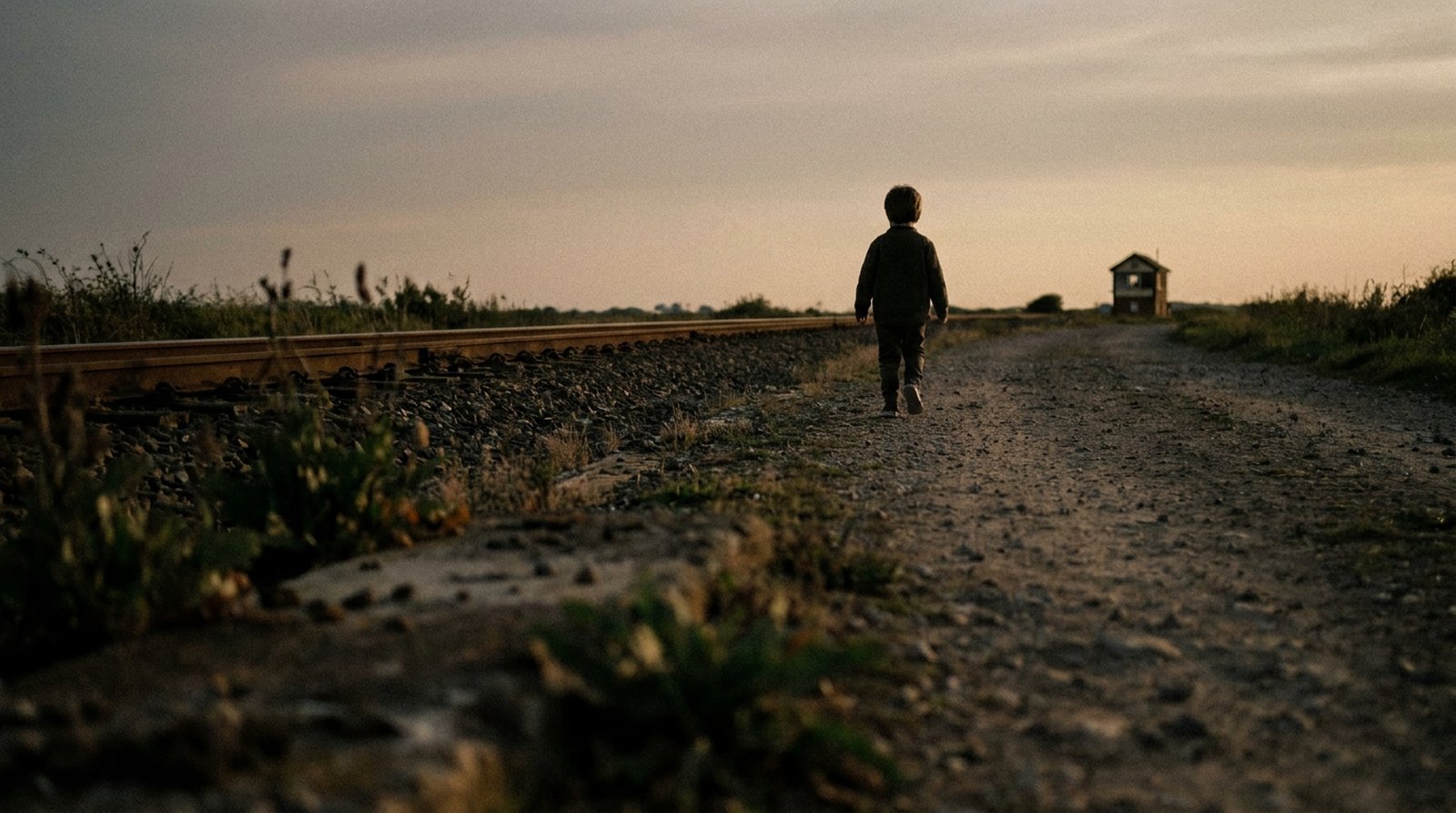
By now you're probably wondering what the point of all this was. It doesn't have to have one. Not everything needs a motive sitting underneath it. What I had to say, I've said. What you take from it from here is entirely up to you. Remember what I told you at the very start of this? It is all about a choice.