Three plausible suspects in the Black Dahlia murder each had motive and means, yet none was ever charged, leaving the case permanently unresolved.
It's the morning of 15 January, 1947. A woman is out for a walk in Los Angeles with her child, on a street that's mostly empty at that hour. Something by the curb catches her eye. For a second she thinks it's a mannequin — somebody dumped a store display, maybe, and forgot it there. She gets closer to look. And her blood goes cold.
It isn't a mannequin. It's a woman's body, cut in two at the waist. There's no blood anywhere near it, which is strange, because there should be a lot. And on her face is something that, if you didn't know better, you might mistake for a smile.
Her name was Elizabeth Short. She was twenty-two.
What happened to her became the most sensational murder story of 1947. Something like sixty people eventually walked into police stations and confessed to killing her — sixty people who hadn't done it, competing for credit for a crime that wasn't theirs. And somewhere in the frenzy that followed, Elizabeth Short picked up a second name, one that outlived the first. You've probably heard it before you've heard hers. The world started calling her the Black Dahlia.
I want to start with who she actually was.
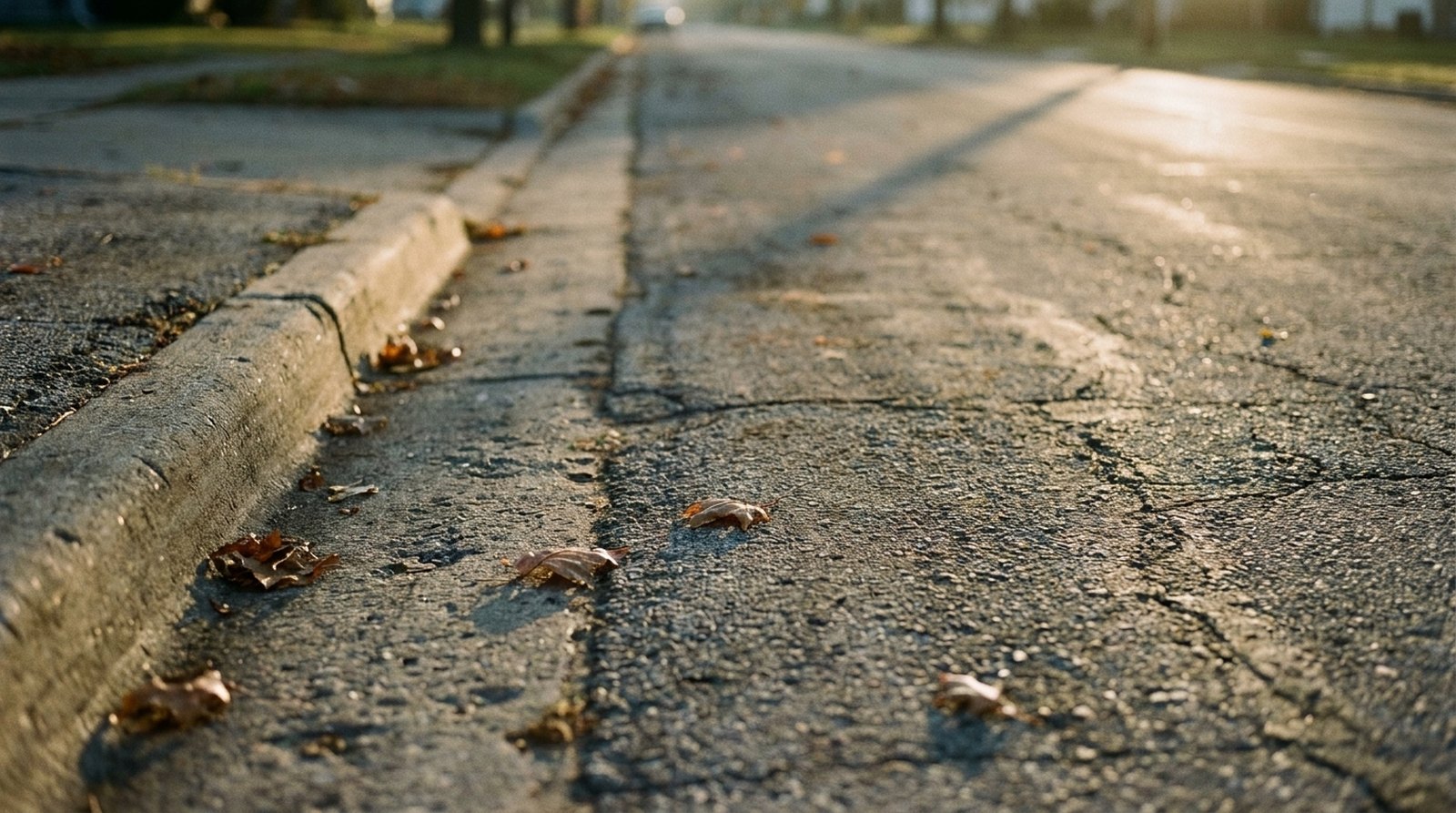
Elizabeth Short came to Hollywood the way thousands of young women came to Hollywood in the 1940s — carrying a version of herself that only existed on a movie screen. She wanted to act. It never happened. The stardom she'd come for stayed exactly what it had always been: something she carried around in her head, not a life she got to live. She worked, she dated, she moved between rented rooms the way people chasing a break usually do, waiting for a part that was never going to come. Whatever she was on her way to becoming, it was cut off here, on a street, before dawn, by somebody who was never named — and the only version of her the world kept was the one built after she was already gone.
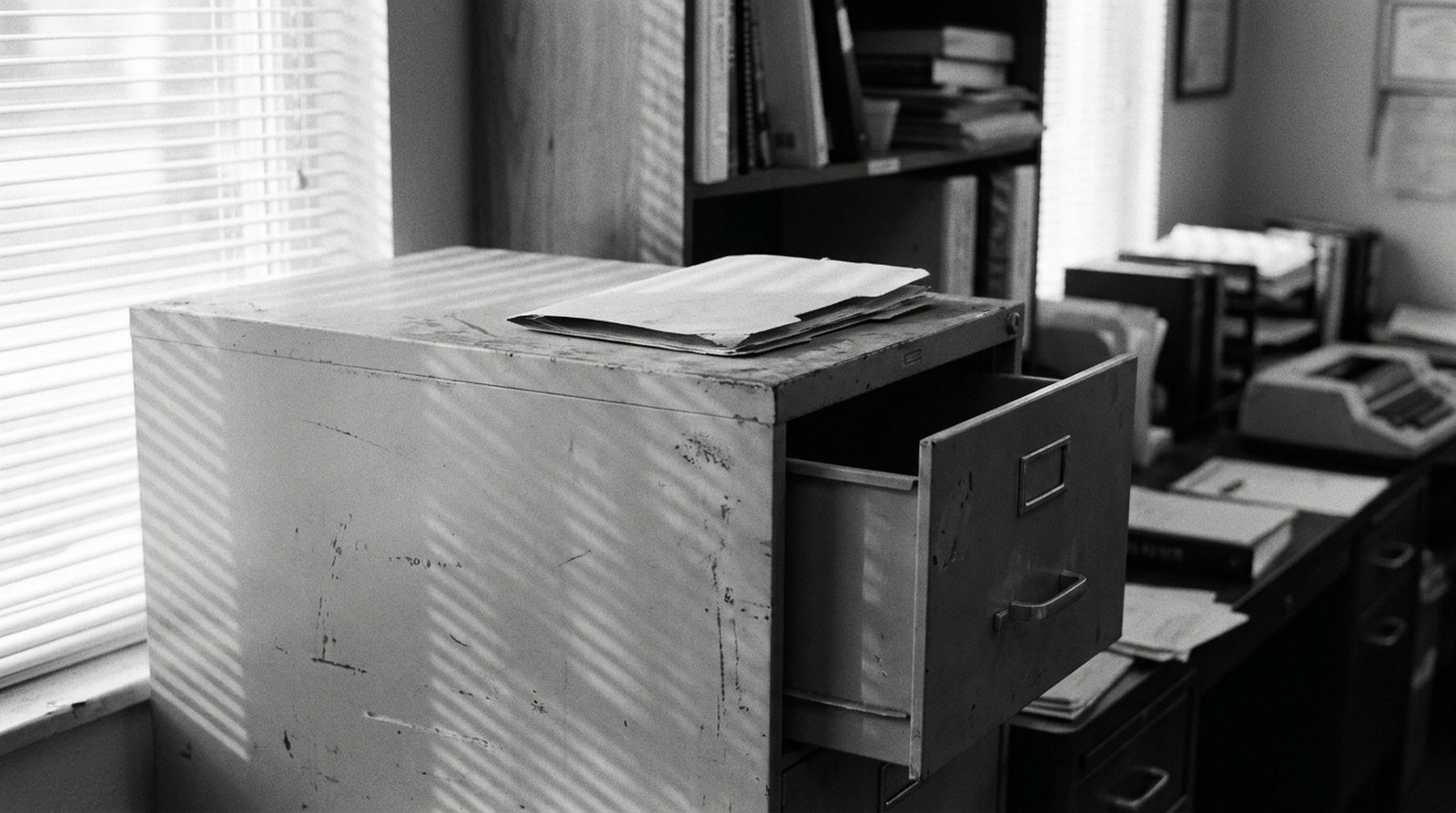
What the police found told them things. There was no blood at the scene, and almost none left in the body — someone had drained it and washed it clean before leaving it there, which takes time and a complete absence of panic. The cut at her waist wasn't a hack job. It followed a real anatomical line, the kind a surgeon would know, the kind that takes training to get right. Her face had been cut too, in a way every newspaper in the country would spend the next few decades describing in loving detail. I'm not going to be the next one. It's enough to say: whoever did this had time, control, and no fear at all of being caught in the act.
The body wasn't hidden. It was left in the open, somewhere a passerby was bound to find it within hours — arranged with the arms up over the head and the legs apart, in two pieces instead of one. Whoever did this wasn't covering up a killing. They were putting something on display. It's tempting to reach for the word "art," the way plenty of people have for seventy-some years now. I'd rather call it what it probably was: someone who wanted an audience, and built one out of a body on a sidewalk. Maybe he'd done this before. Maybe he liked doing it. Those are the kind of "maybes" this case is full of — the ones that never once turned solid.
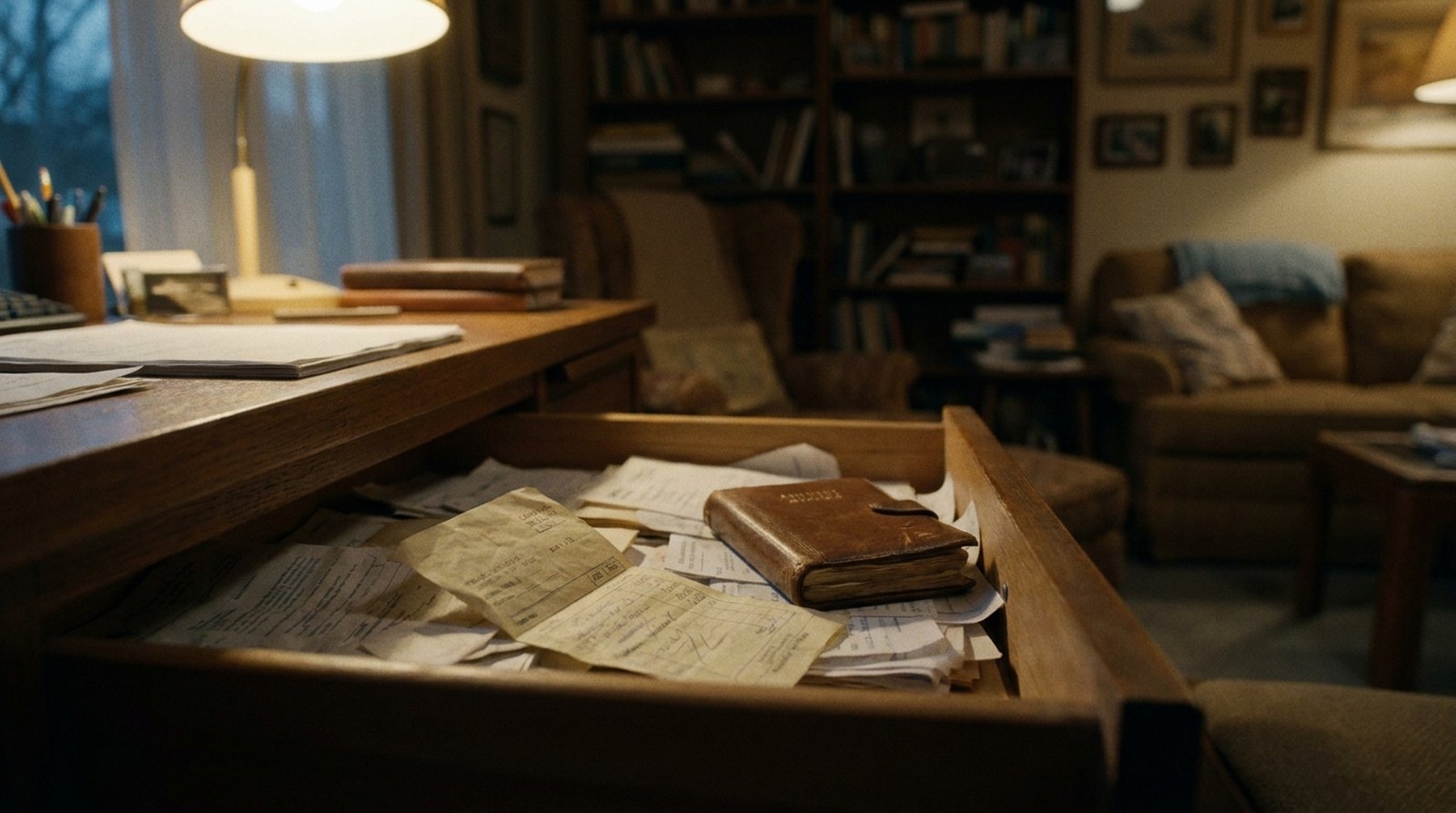
Two days into the investigation, an envelope turned up at the police station with some of Elizabeth's documents inside, along with an address book that didn't belong to her. Nobody ever worked out who sent it, or why. That question is still open. It's one of maybe a dozen loose threads in this case that never got pulled all the way through — threads that would have mattered enormously if any of them had led anywhere, and instead just sit there, unresolved, next to everything else.
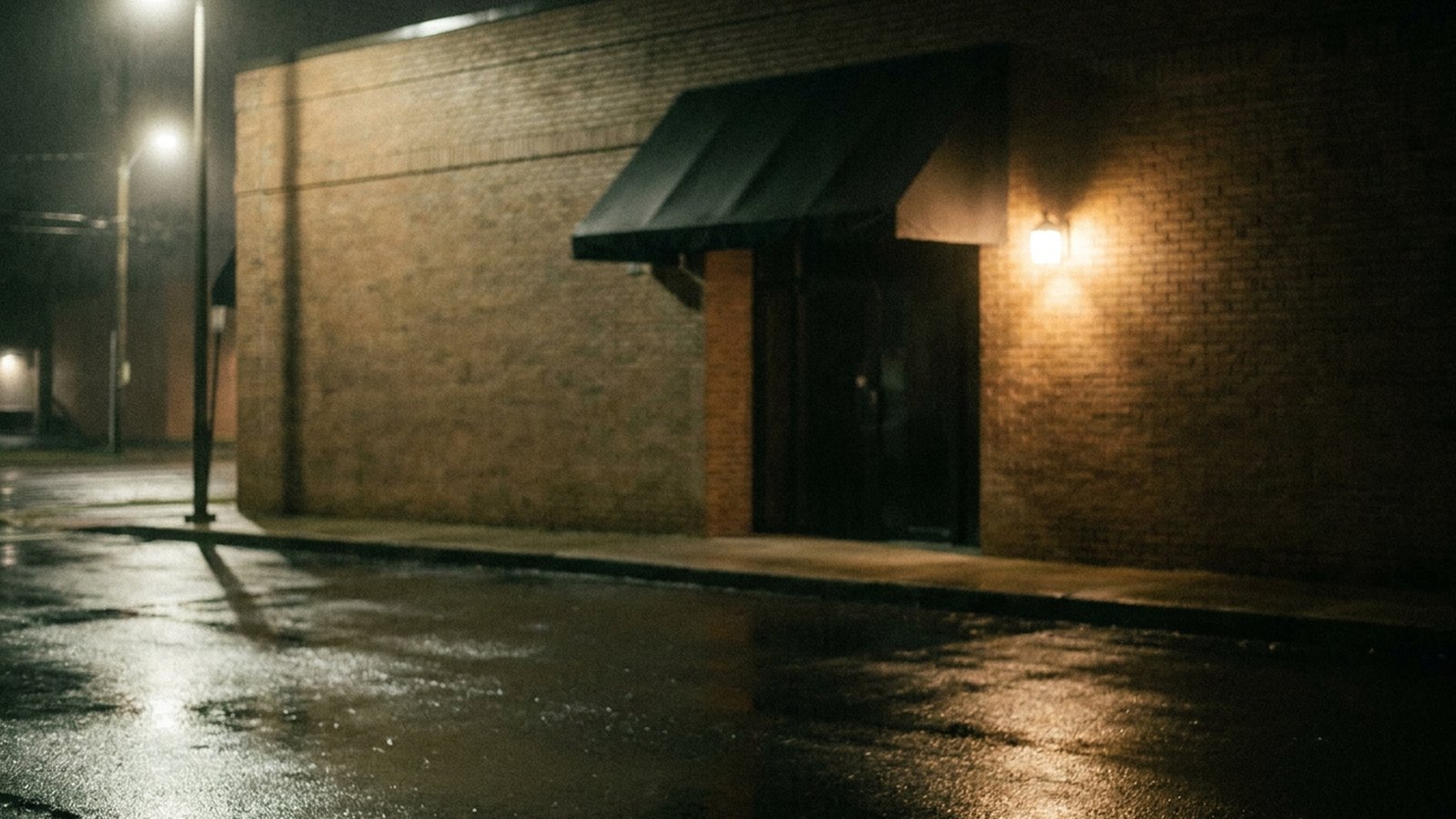
The address book pointed straight at Mark Hansen, a nightclub owner who knew Elizabeth well — she'd been to his club and his house more than once, and by some accounts he wanted more from her than she was willing to give. Rejection is a real motive. But Hansen had people who swore he was somewhere else that night, and the police, for reasons nobody has ever fully explained, never searched his house or his cars. He was rich. He was connected. He was cleared. Make of that whatever you want.
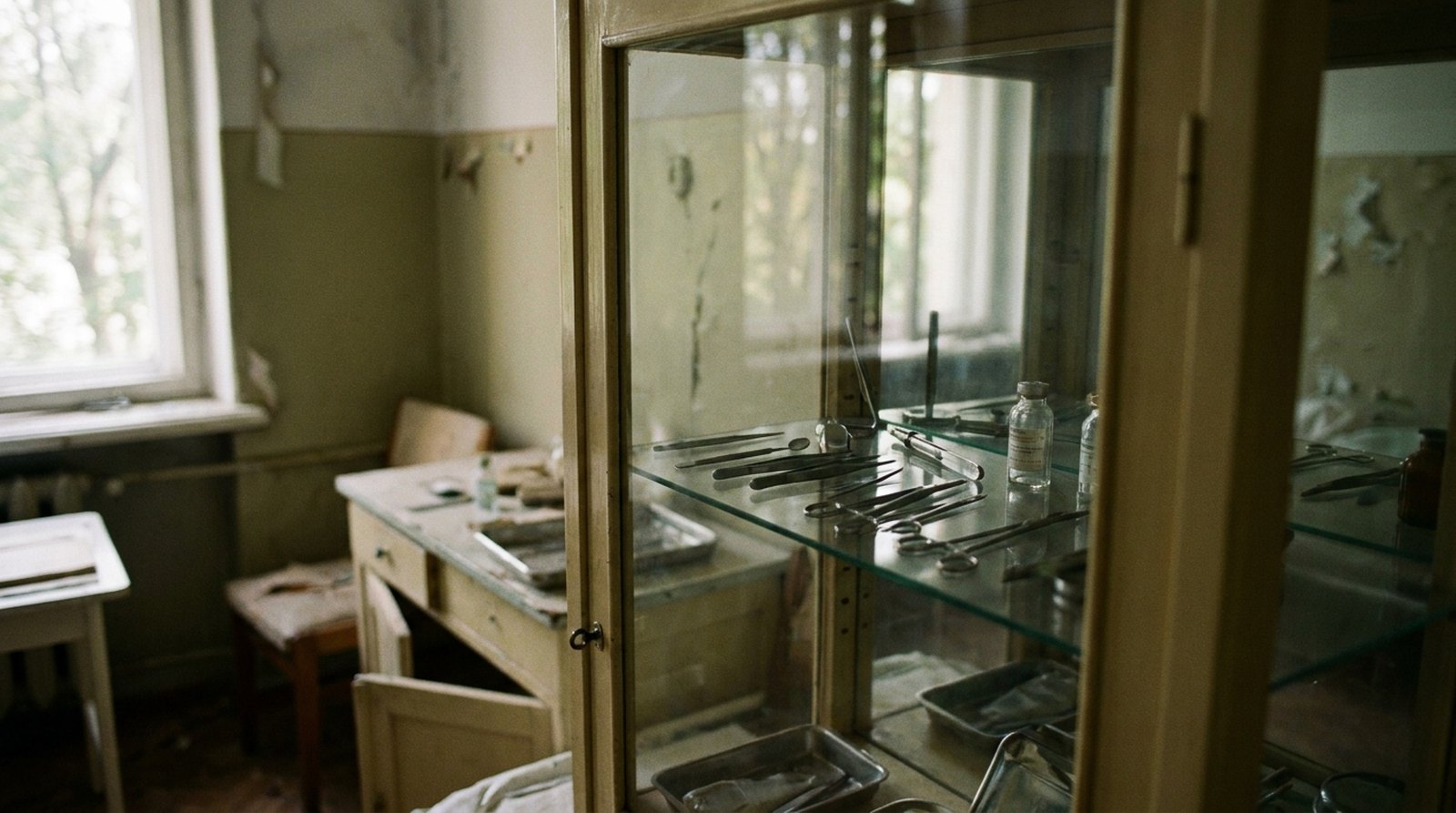
Dr. George Hodel was next — a wealthy, well-regarded Los Angeles surgeon with a private philosophy about chasing his own pleasure over anyone's morals, and a documented history of predatory behaviour, including against his own daughter. He had exactly the surgical skill the body demanded. He knew Elizabeth. And police bugged his house and caught him on tape saying that even if he had killed her, they'd never prove it, because the one person who could corroborate it was already dead. He left for the Philippines not long after. Decades later, his own son — by then a detective himself — said publicly that he believed his father did it.
None of it added up to a charge. And if Hodel had wanted to avoid suspicion, cutting a body with surgical precision and then leaving it somewhere to be found was a strange way to go about it. A careful killer doesn't sign the method.
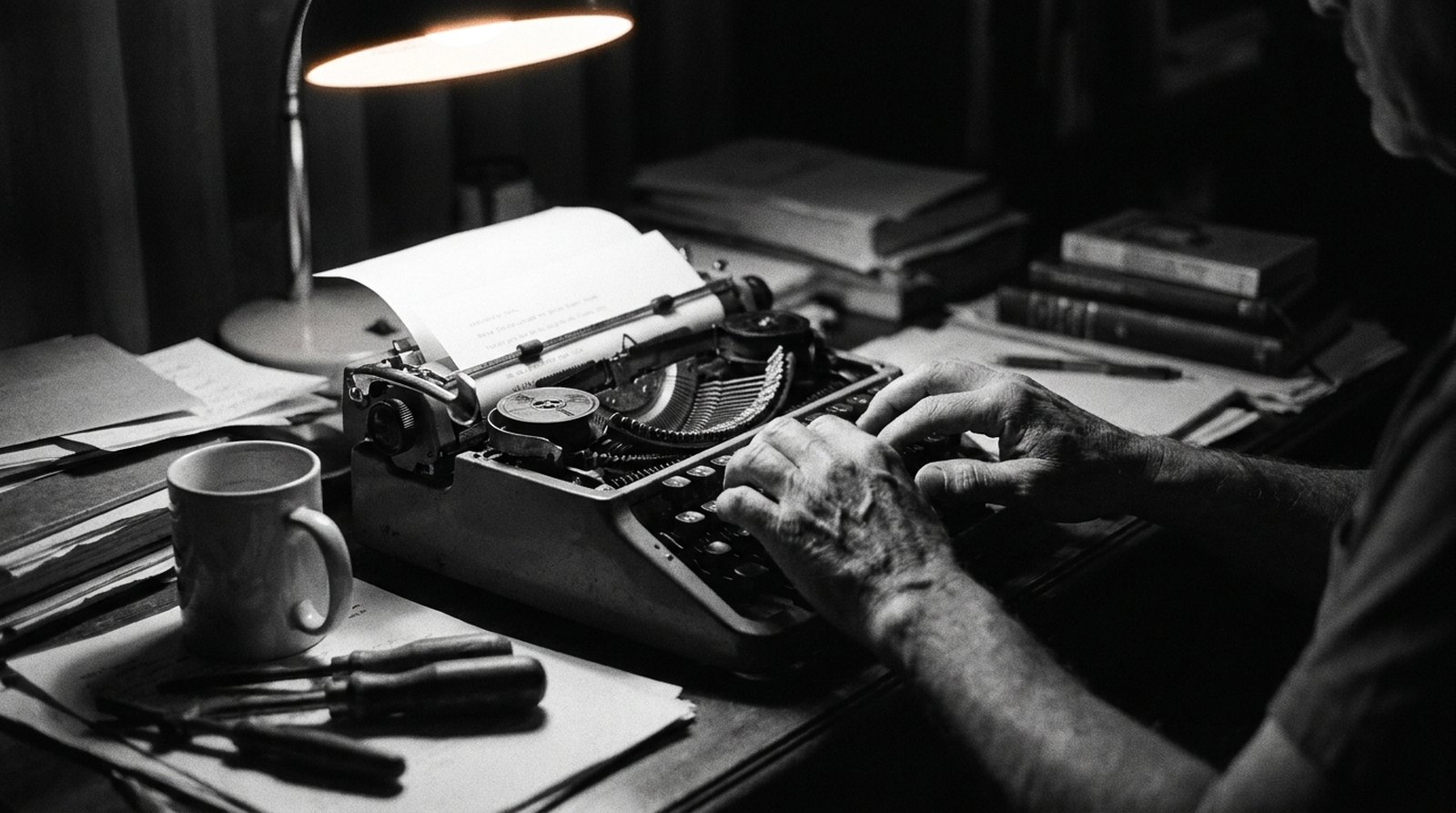
The third name worth knowing is Leslie Dillon, a writer obsessed with serial killers who'd once worked as a mortuary assistant, and who put himself in the case by choice — writing a long, detailed account of the murder to an LAPD psychiatrist, unprompted, full of details that hadn't been made public, in a tone that read less like concern and more like enjoyment. He claimed a man named Jeff Connors had told him everything. Nobody could ever find Jeff Connors. Dillon walked too.
Three names, three motives that each half work, and seventy-plus years of nothing solid enough to hang a conviction on. People were — and still are — angry about that. The feeling that the police were protecting somebody never went away, and nobody can tell you who. That's most of why this case never stopped getting retold: not because it's worse than other cases, but because it never actually finished. A mystery with named suspects and zero resolution doesn't fade on schedule the way a solved one does. It gets picked back up every decade, in a new book or a new documentary, because there's always more room in an ending that was never written. Ask people today and they'll still argue it — the jealous nightclub owner, the surgeon with the connections to bury it, the writer who couldn't stop describing it, or somebody whose name never made it onto any list at all.
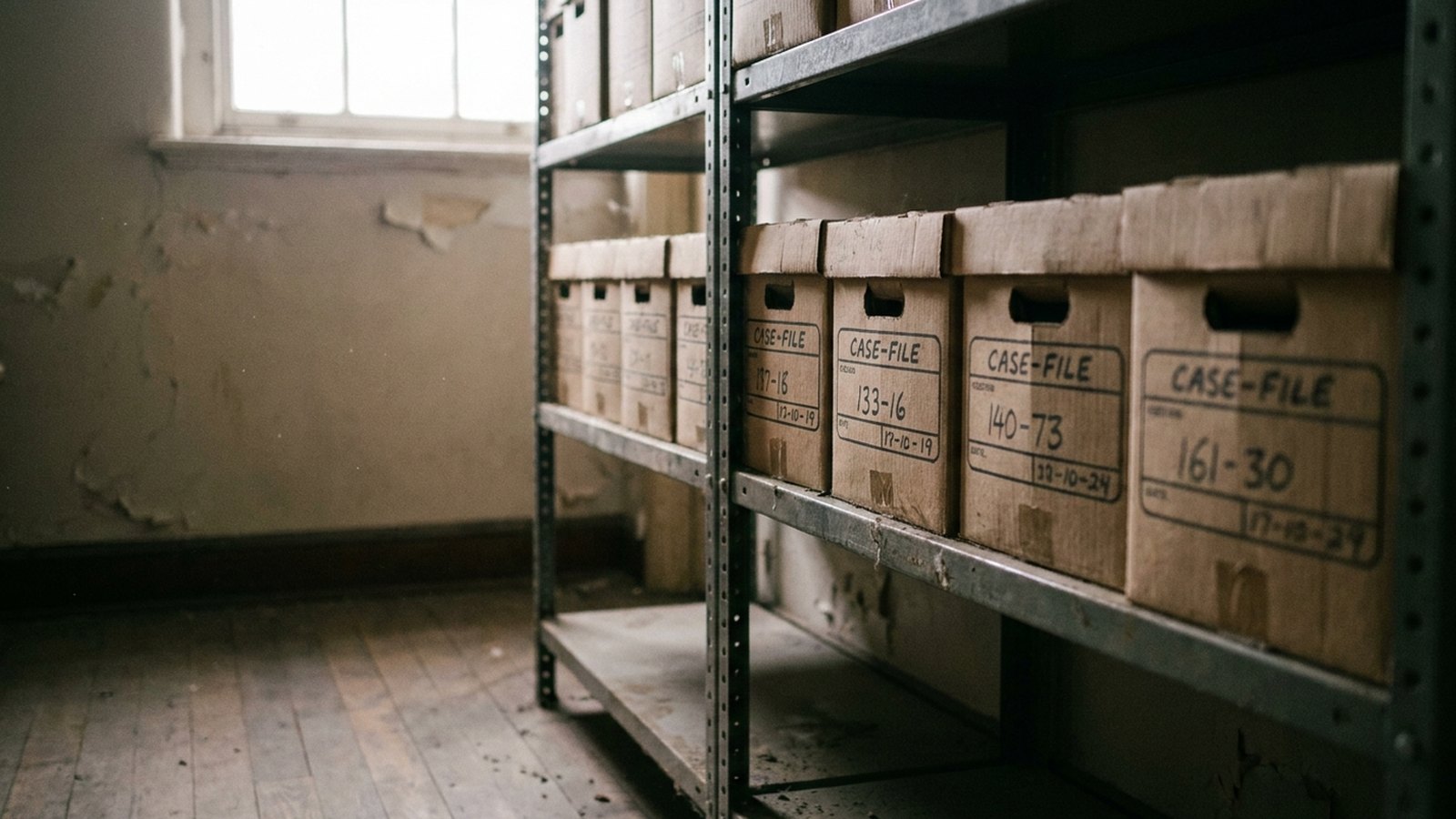
Most stories like this one eventually hand you a reason — a childhood, an ideology, a diagnosis, something that lets you file the horror away as explained, even if you don't like the explanation. This one doesn't do that. Three men, and each of them had a piece of what you'd look for in a killer. Not one of them has anything close to proof attached.
Nobody was ever charged. Nobody ever will be — everyone who might have done it is long dead. What's left is a name that isn't even her real one, repeated for almost eighty years, attached to a story with no ending anyone can point to and call true.
I'm not going to manufacture one here either. Elizabeth Short's death doesn't come with a why. It just comes with a name people recognise for the wrong reason, and a file that is never going to close.