The same brain that built human civilization also lets people justify atrocities to themselves so completely they stop telling good from bad.
I'm not going to dress this one up. No fast cuts, no manufactured hook, nothing engineered to keep you watching past the first ten seconds. I can't promise you'll enjoy this. I can promise you'll learn something you didn't know when you clicked.
A few days ago I was watching The Three-Body Problem. One scene stayed with me. A man on Earth is talking to the alien Supreme, trying to help the aliens understand humans well enough that when they arrive, they can live alongside us instead of the whole thing ending badly. To make his point, he reads the Supreme stories out of a book. In one of them, a character lies.
The Supreme can't process it. Why would a person say something false? The man tries to explain — it's a story, it's a situation, the character had to lie, that's how fiction works. The Supreme doesn't follow the explanation. But it understands one thing clearly: this species is capable of lying. From that moment, the Supreme goes quiet. Within weeks, it declares war on humanity.
My first reaction was that the scene was strange. Lying is nothing. Most of us have done it by lunchtime. But that's exactly the point — it's nothing to us because we're the ones who can do it. The Supreme's question wasn't stupid. Why do humans lie? Because we can. We've been handed that ability, and today I want to talk about the thing that was handed it. Not the lie. The species.

Around three hundred thousand years ago, in Africa, Homo sapiens showed up. We moved in groups, foraged, hunted, followed the one rule nature had actually taught us — survival. Nothing sits above survival. Not a code, not a philosophy. Just that. And survival made it very clear, very fast, that we weren't enough. Not the biggest. Not the fastest. Not the strongest. No horns, no claws, no venom — none of the usual equipment nature hands a species to keep it alive.
Understanding that you are not enough is, eventually, what makes you enough. That's what happened to us. Over time we figured out that even without any of that equipment, we had one thing no other species had anywhere near as developed: the brain.
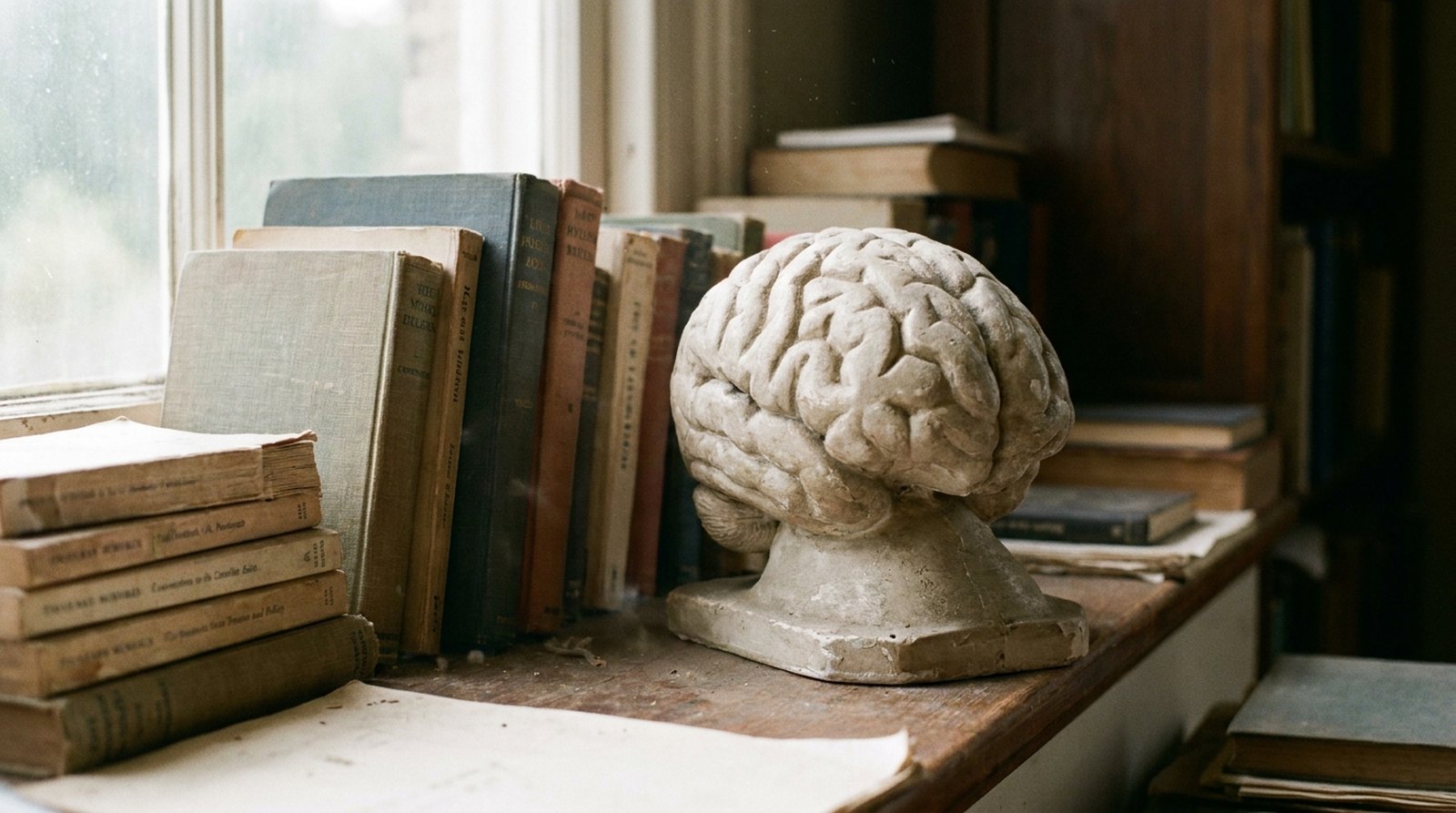
The human brain is its own universe. If you ask me, it's a small miracle. Earth is roughly four and a half billion years old. There are an estimated 8.7 million species living on it. One of them is three hundred thousand years old and runs the entire planet. That isn't coincidence and it isn't luck — it's the brain. It gave us the freedom to imagine, and that freedom built everything we now call civilisation: every piece of critical and creative thought that makes us, without much argument, the most capable species this planet has produced. The brain is our greatest strength. No question about that.
But — and here's the part nobody likes to sit with — the brain has a flaw. More than one, honestly, but this is the big one. Control. A species obsessed with control cannot control the one thing doing all the controlling: its own mind.
Here's the strange part. Our brains need pressure to work properly. Studies back this up — under moderate pressure, the brain performs noticeably better, which is why deadlines work at all. Left alone, in comfort, it underperforms. If you're someone who procrastinates, that's probably the reason: no deadline, or a deadline too far off to feel real, or one you're actively avoiding looking at.
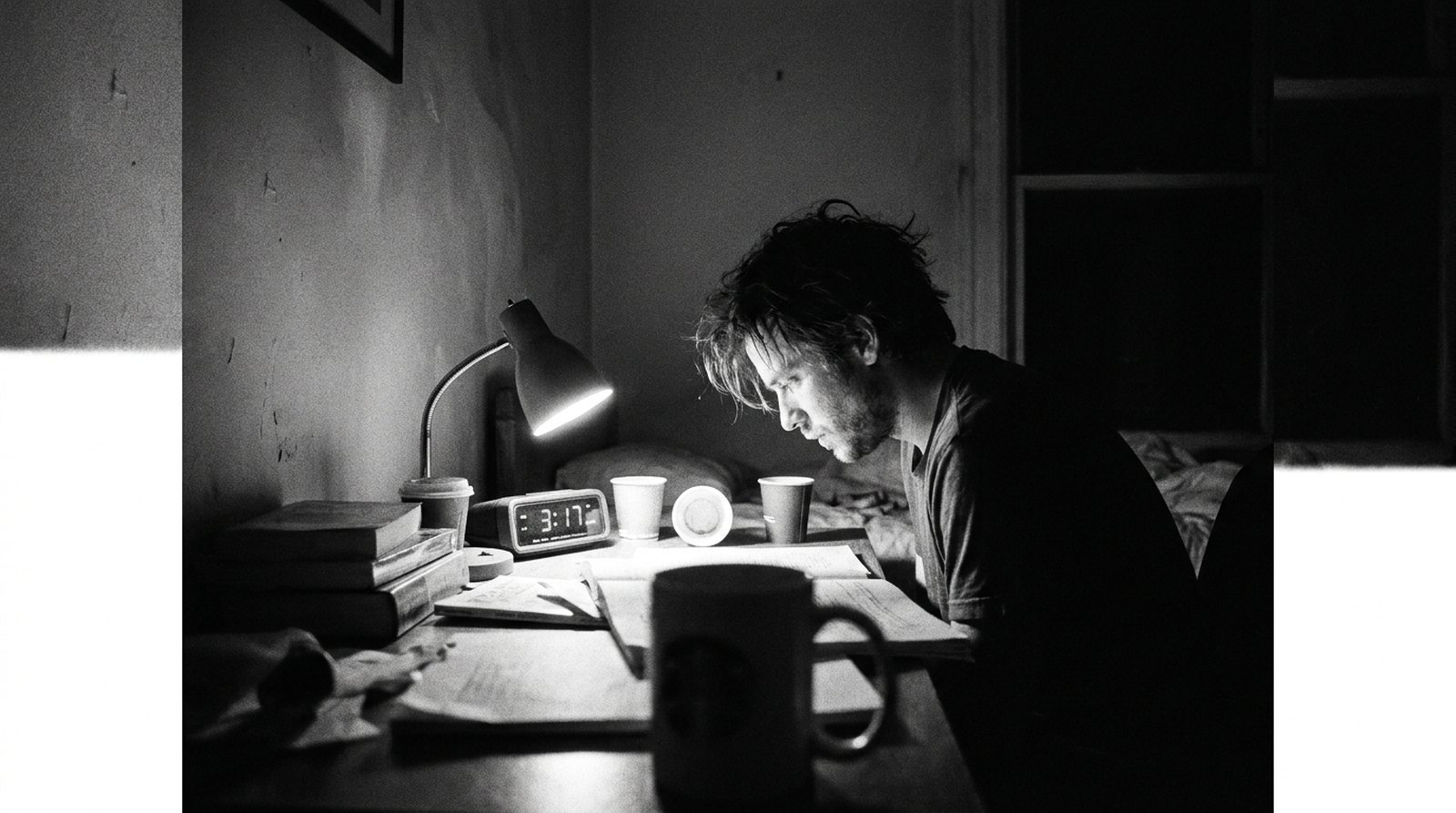
Pressure sharpens us. But nothing sharpens us like survival. When survival is actually on the table, we reach a potential we don't touch any other way. Robert Oppenheimer's team built the atomic bomb inside a hard deadline because their own survival depended on it — because if Germany had built it first, the outcome isn't something we can even model, only imagine. Survival instinct drags us to our real ceiling, and somewhere, we know it. That's probably why we keep manufacturing enemies. Maybe that's why envy lives in every one of us: if you have nobody to prove something to, you have nothing to prove. If you think that doesn't apply to you, you're either unusually self-aware or you're very alone. Without a do-or-die situation sitting somewhere in the brain, we go slack — lazy, dull. We need the rivalry. The competitiveness. A little pressure. A hunger that never fully closes, because that hunger is the only thing that keeps forcing us to get better.
And the worst part — our brain will justify that too, because we are deceptive by nature. That's precisely why lying comes so easily to us. Sigmund Freud said it plainly: we lie well to other people, but we lie even better to ourselves.
That sounds almost funny until you sit with it, because psychologically, this is frightening. When you justify something to yourself that you already know is wrong, you are lying to yourself. And we are extremely good at it. This is exactly what happens inside a serial killer, inside a rapist. They justify themselves so completely, for so long, that they stop being able to tell good from bad. They go morally numb. Watch an interview with one of them — in their own account, the victim provoked them. It sounds grotesque, because it is. But sit with what that actually requires: a brain that has justified an atrocity to itself so thoroughly that the person believes it. And we can't pretend that brain isn't the same brain that built the greatest species evolution has produced.
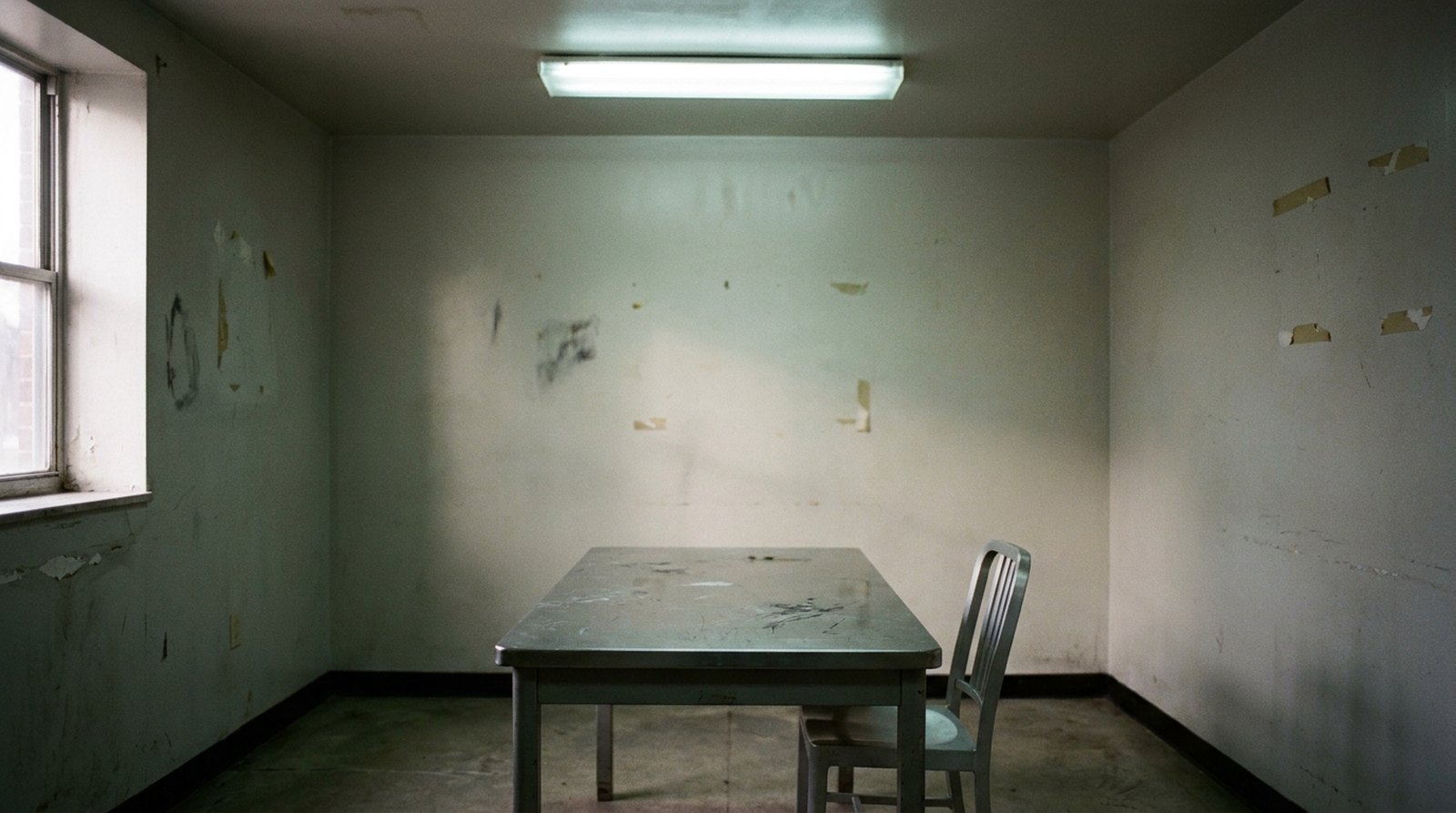
Let me be clear before I go further. I am not defending anyone who has done this. What they did earns them nothing but the worst the law can give them. I'm only pointing at the mechanism underneath it: if you stop paying attention to your own thoughts, your own mind can convince you of almost anything.
We are part of nature. And it isn't a stretch to say we are now the biggest threat nature has ever had to deal with. Honestly, I don't think nature was built to withstand human progress. The speed we're moving at is remarkable. It is also, in equal measure, dangerous.
The Three-Body Problem actually lays out a version of this timeline, so let's look at the real one. Three hundred thousand years ago we were foraging and moving with the seasons. That lasted for thousands of years. Then we learned to make weapons, which helped us hunt — that step alone took around seventy thousand years. From weapons to farming, growing our own food, took roughly another fifty-eight thousand years. From farming to science took ten thousand. From science to the computer took about six hundred and fifty years. From the computer to artificial intelligence took less than a hundred.

If that curve doesn't scare you a little, it should. The human brain seems built to outrun every limit it sets for itself. We keep expanding our own boundaries, building a new era faster than we've finished adjusting to the last one, moving at a speed we may not actually be ready for ourselves.
Someone once said we build our own devils. Two world wars did a decent job of proving that, for now, our biggest enemy is us. Despite being — by a wide margin — the most capable species on this planet, we still look down on each other, still draw lines by whatever's nearest to hand. We can go low enough to embarrass the devil himself.

Some days I genuinely don't know what to make of the human brain. Look around you. We are, without question, the greatest species this earth has ever produced. We are also built from good and bad in roughly equal measure — a contradiction walking around in a body. We can be magnificent and monstrous in the same breath, sometimes in the same hour, and neither cancels the other out. That's not a flaw in the species. That's the species.

So tell me — what is it supposed to feel like, being part of this species? Respect? Or something closer to disdain? I don't think the honest answer lets you pick just one.