Dahmer's abandonment explains why he killed, but not why murder was the exit he reached for, and the retelling of his case erases his victims' names.
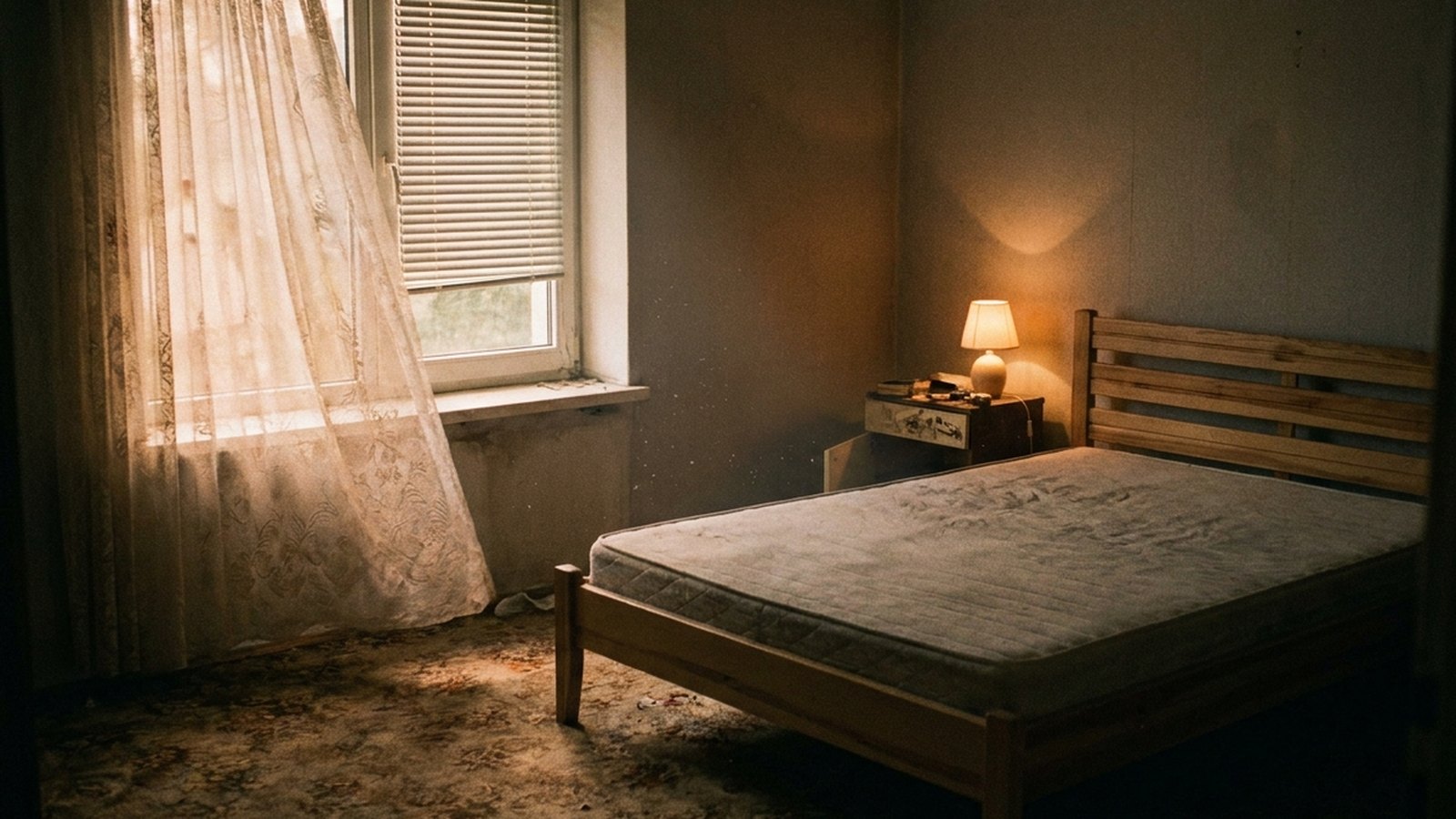
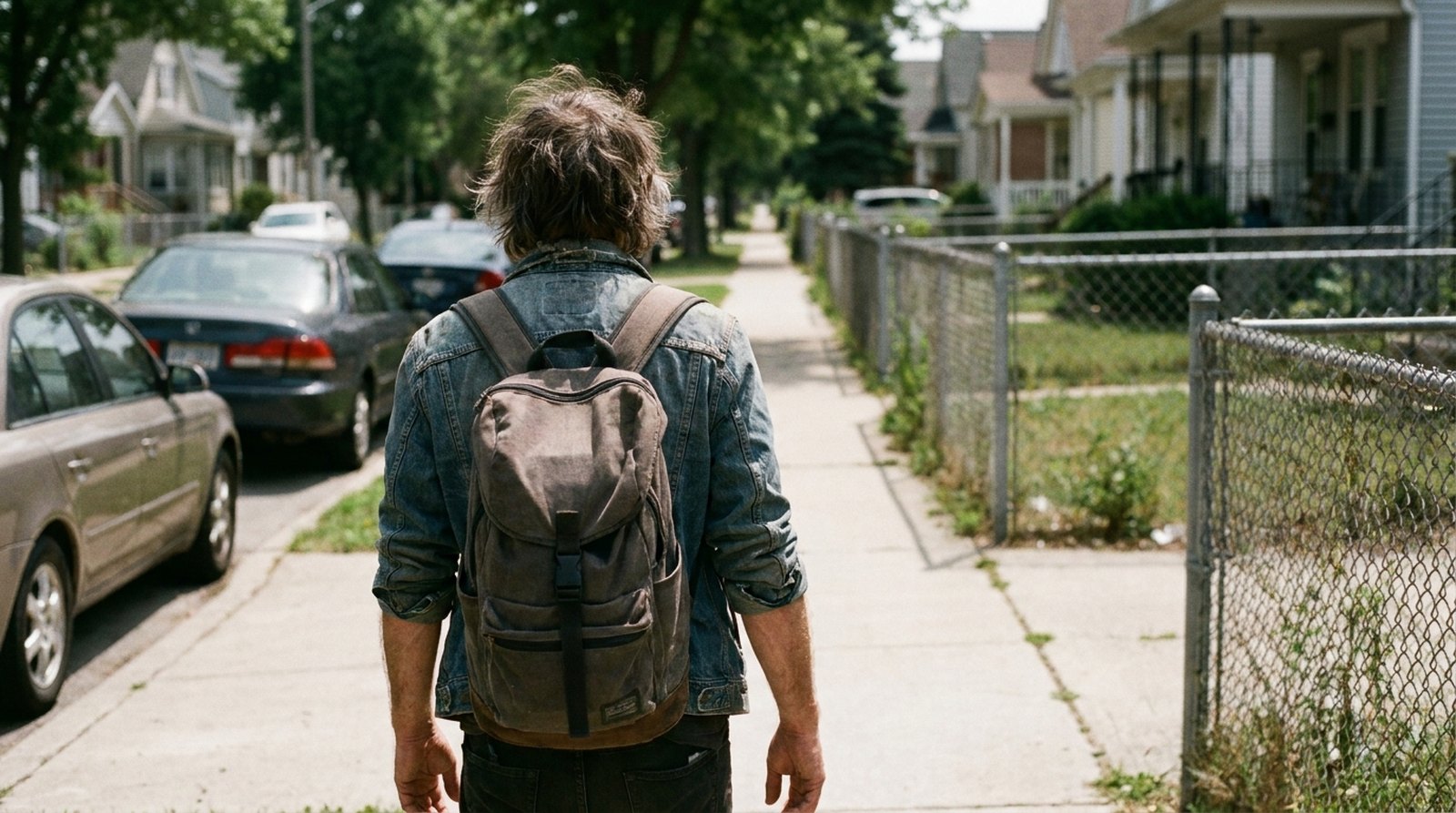
Sixteen is not very old. But that's the age his parents left him. Not forgotten-in-a-crowd left — actually left. Moved out, moved on, and for years after that they didn't know where he slept or what he did with his nights. Sit with that for a second before you reach for the word "evil." The story people repeat about Jeffrey Dahmer almost always starts with what he did to seventeen men. It almost never starts here, at sixteen, in an empty house.
Something got planted in him that year, and it wasn't subtle. A fear that people leave. Not a worry, not a quirk — a fear with teeth, the kind that sits in a nervous system and waits for a trigger. The trigger, when it came, was almost domestic: a man he'd brought home was getting up to go. That was enough to make the fear take the wheel.
So he killed them. Not for any reason a courtroom would call a motive — he killed them so they would stop leaving. And when even a body in the room wasn't answer enough for the fear, it got worse: he tried to keep them inside him, literally, so that leaving was never an option again. Read that twice if you need to. It's exactly as disturbing as it sounds, and the only honest response is to ask what kind of mental state has to exist before a human being arrives at that as a solution.
Here is where most tellings of this story stop, satisfied. Parents left him, so he became this. Clean cause, clean effect, credits roll. It's tidy. It's also almost certainly not enough, and it's worth being blunt about why: a huge number of people get left by their parents around that age. Foster kids, kids whose parents divorce badly, kids whose parents just aren't built for parenting — abandonment at sixteen is common. Depressingly common. If abandonment on its own produced men who do what Dahmer did, you'd be reading a new case every week. You're not.
That gap — between how common the wound is and how rare the outcome is — deserves more attention than the horror detail usually gets. Fear of abandonment explains why the killing started and why it stayed about control instead of anything else. It doesn't explain why this particular mind reached for murder instead of therapy, isolation, addiction, or any of the thousand smaller, sadder exits that damaged people usually take. Something else was already wrong before the fear had anything to attach itself to, and the source this piece is built from doesn't say what. Neither does most of what gets made about him. That's not a failure of this one article. It's a limit built into the whole exercise of asking "why" about a man like this — the question promises a clean answer, and a clean answer is the one thing nobody actually has.
Jeffrey Dahmer committed his first murder in 1978. He wasn't caught for thirteen years. Thirteen years of sitting in the same break rooms, standing in the same elevators, nodding at the same neighbours everyone else in the building nodded at. That detail should unsettle you more than the violence does, because the violence is at least contained to him. The ordinariness isn't. It's the part of a story like this that keeps implicating the rest of us a little — not because any of us could do what he did, but because "normal" turned out to be a much thinner disguise than anyone wants to admit.
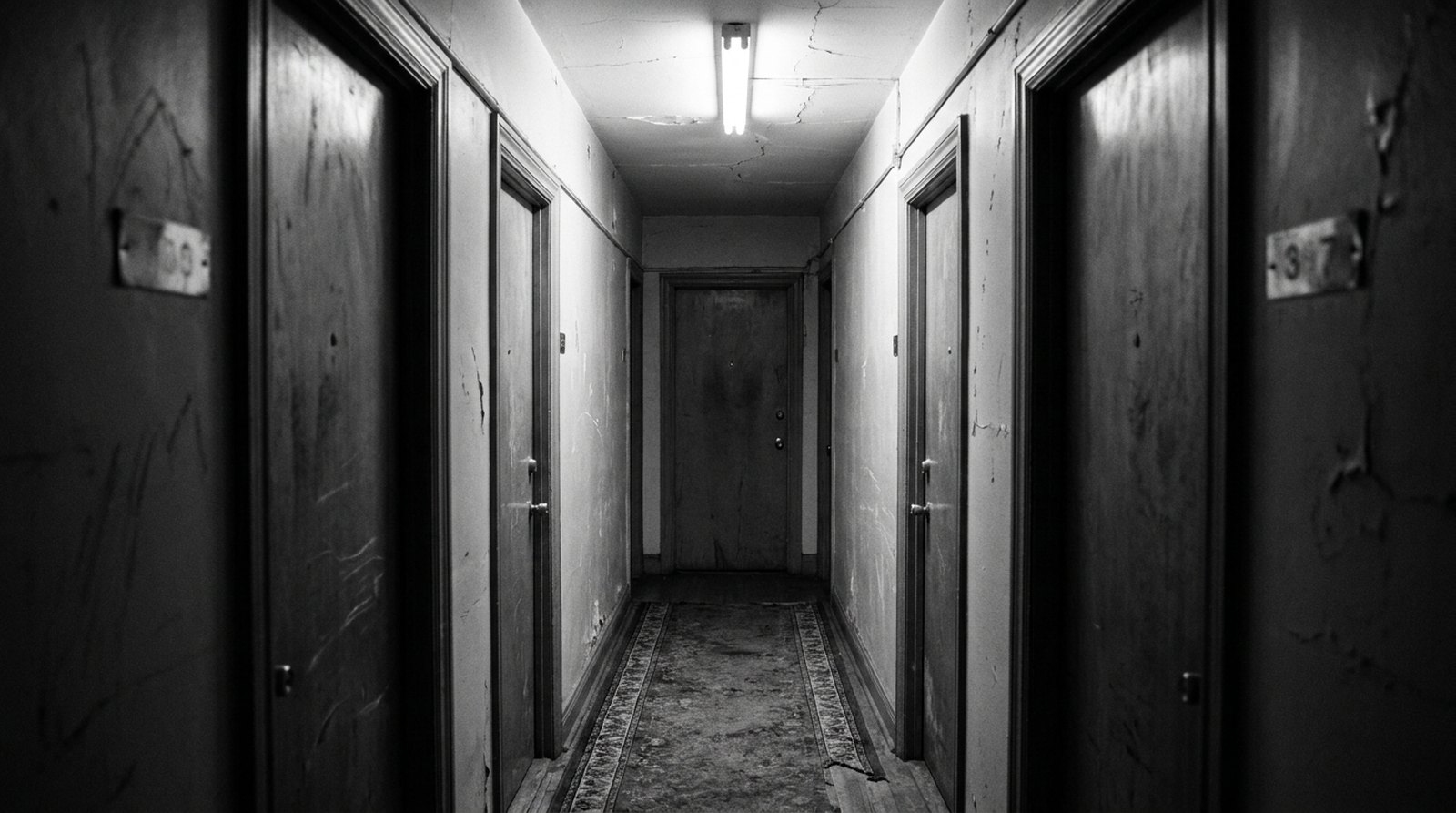
Thirteen years is long enough to become a face people stop noticing. Long enough for a landlord to renew a lease without a second thought, for a coworker to complain about him under their breath over something petty and forget it by lunch. None of that required cunning. It only required what most environments already hand out for free: the assumption that whoever is standing in line with you has nothing stranger going on than you do. That assumption is usually right. It is also exactly the gap he lived inside for thirteen years.
Seventeen men died in those years. The source this piece is rebuilt from — and most of what has been made about this case since — doesn't name a single one of them. It names Dahmer. It names Christopher Scarver, the man who killed Dahmer in prison a few years later, closing a case the life sentence couldn't. Seventeen people, and the only names that survive the telling belong to the two men who did the killing. That's not a small detail. It's the whole shape of how this story usually gets told, before this piece becomes one more version of it.

There's no way to fix that inside one short article without inventing details that don't belong to anyone, and inventing facts about dead men to make a paragraph feel complete would be its own small violence. So this won't do that. What it can do is refuse to let the gap pass unremarked — seventeen people existed, had names, had people who are presumably still missing them, and the record keeps making room for everyone except them.
Dahmer was sentenced to life. He didn't serve it. Another inmate, Christopher Scarver, killed him in that same prison. Seventeen murders, and only one life of his own to pay against all of them. Someone smart once put it simply: we build our own devils. Dahmer couldn't control his emotions, so his emotions ended up controlling him — and you already know where that ends.
And here's the part that should needle you if you've read this far: this piece exists inside the same machine it's describing. The recording it's rebuilt from called itself "Serial Killer Diaries Episode 1" — the start of a series about men like this that never got a second episode, because the audience had already moved to the next case before anyone finished the first. Dahmer has been a prestige drama, a stack of documentaries, a wax figure, a Halloween costume complaint, thousands of hours of commentary almost none of which says a single victim's name. The culture doesn't keep returning to him because it's trying to understand abandonment, or untreated illness, or anything that would actually help someone standing at the edge of it right now. It returns because he's good content, and good content gets a sequel whether or not there's anything left to say. That's the uncomfortable floor underneath a piece like this one — including this one.

You can't afford to ignore your own mental state. If your emotions turn against you, it won't take long before your circumstances do too — because there is nothing standing between you and the rest of your life that matters more than that one thing. The same mental state that can build you can just as easily take you apart.
Wounds can create monsters. And if you're wounded, you need help. There isn't a third option.