Retreating from fear feels like safety, but every retreat shrinks the room you live in until you are alone with the worst version of yourself.
The world is a dangerous place. That's not a mood, that's just the math. You are surrounded by threat at every hour of the day. Any person, any accident, any ordinary Tuesday could turn out to be the thing that gets you. So here's a question worth sitting with for a second: if that's true, why not just leave? Pull back. Put up walls. Keep everyone far enough away that nothing can reach you.
Logically, it tracks. Isolation looks like the smart move.
Here's the catch nobody mentions, though: making logic the only thing your mind runs on is itself a symptom. Of something wretched. A mind with nothing left in it but cold reasoning has usually already lost something else — warmth, instinct, the willingness to be wrong in front of another person. So before you start laying bricks, it's worth asking what you're actually running from.
Isolation feels like a locked door. It gives you the sensation of safety, the illusion that you've stepped outside the world's reach. That illusion doesn't survive long, because the moment you lock everyone else out, you're stuck in a room with the one person you were never going to escape anyway. Yourself.
That's the lonely little flaw we're looking at today. Do not build fortresses to protect yourself — isolation is dangerous.
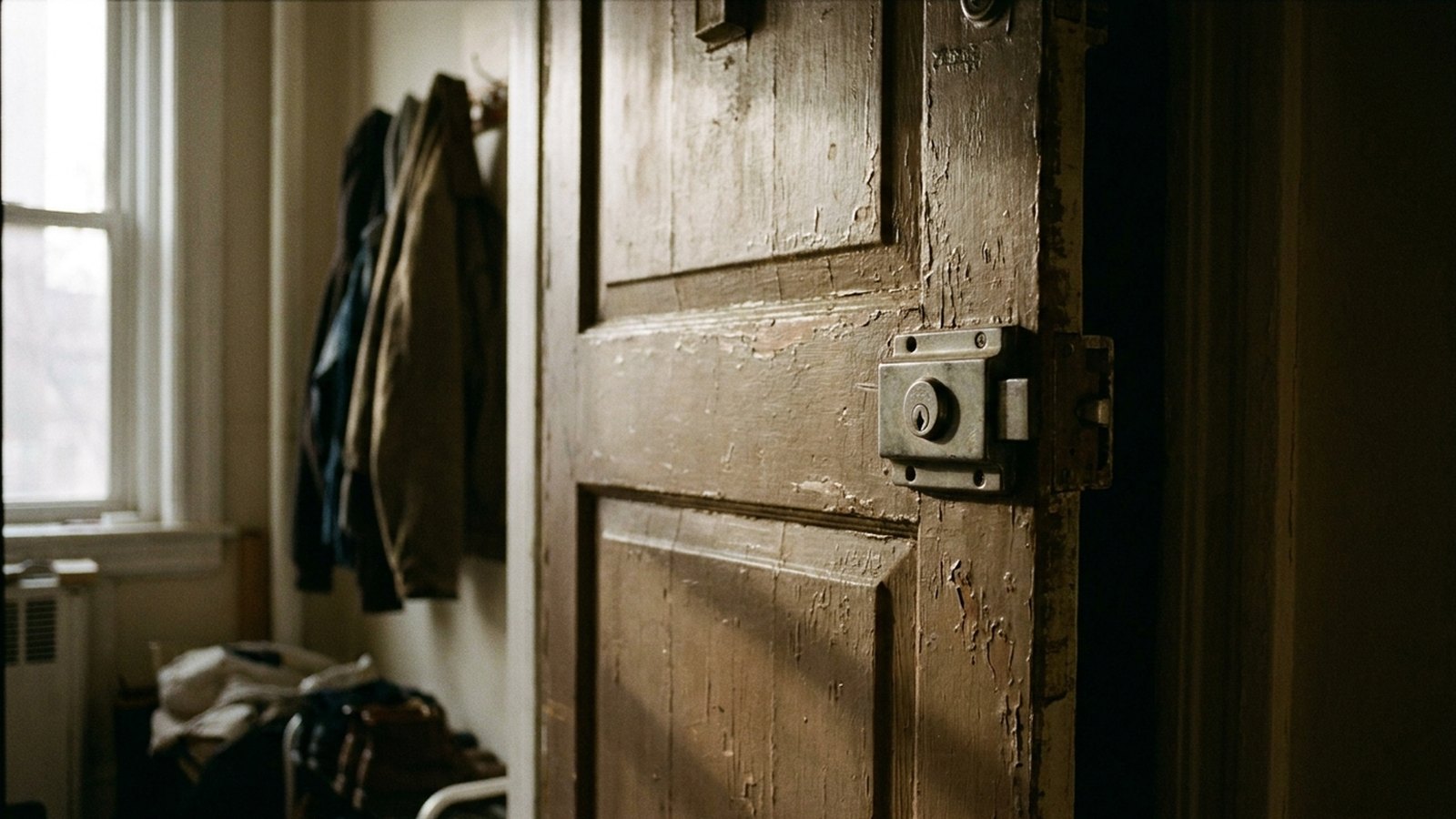
Your brain, left on its own, leans negative. Hand it a person or a situation and it goes hunting for the threat first, not the opportunity, because that's what kept your ancestors alive long enough to have you. Spot the danger, step back, survive. You're built to protect yourself at nearly any cost. Even when the cost ends up being you.
That's where the trouble starts. Protecting yourself from difficulty sounds like wisdom. It isn't. Running from a hard situation, flinching away from an uncomfortable conversation, retreating the moment something gets sharp — none of that is a way to live. It's just fear in a sensible coat.
And to be clear, this isn't about enemies. I'm not telling you to cosy up to people who actually want to hurt you. I'm talking about circumstances — the ordinary, unglamorous difficulty of being alive. Don't run from those. Stand up straight, plant your feet, and deal with them. That's the only way you ever earn your own respect. Fighting your way through a bad situation and coming out the other side — that's what strength actually looks like. Not the absence of difficulty. The refusal to hide from it.
Take Louis XIV. One of the most capable rulers Europe ever produced. When he took the throne he inherited a serious problem — not really a dilemma, more a power game already in progress. His opponents were the great lords of France: rich, proud, thoroughly convinced of their own importance. Men who loved their independence so much that a king getting stronger felt like a personal insult. What they wanted was a king in name only, with the actual governing left comfortably in their own hands.
A man like Louis wasn't going to sit still for that. But he also knew better than to lean on the lords too hard — push and they could revolt. They were a threat, and threats need watching. So Louis did something nobody else had quite thought to do. He built a palace in the middle of everything. Versailles.
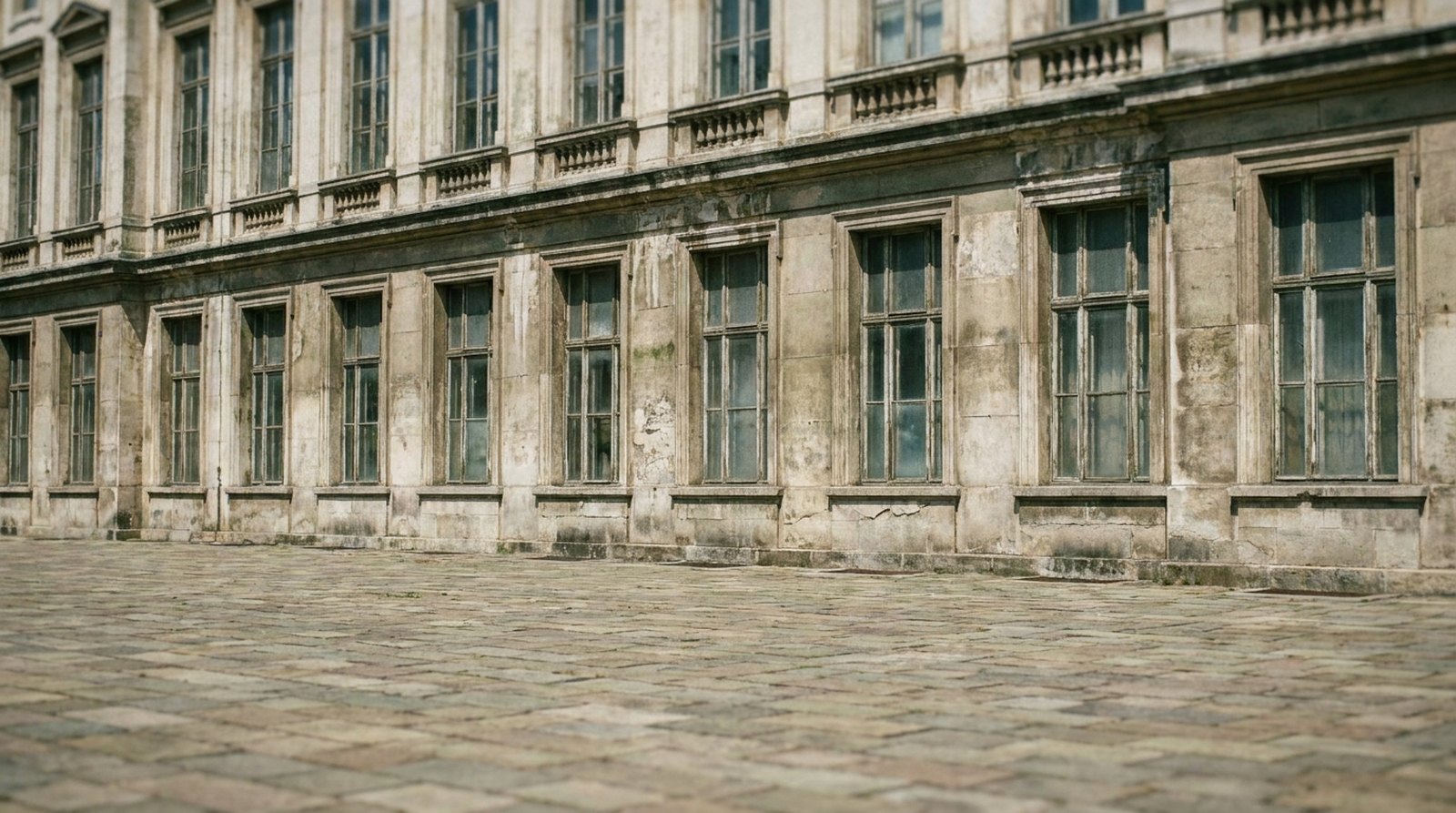
It wasn't decoration. It was a machine for control, dressed up as splendour. Every lord's ego got fed there, carefully and deliberately. Rituals were invented for the lords to take part in, and they joined gladly, because being included felt like an honour. Even helping the king get dressed in the morning turned into a ceremony people competed for. Without quite noticing it, the lords had folded their whole lives into Versailles, and into Louis along with it. Did that leave Louis any privacy at all? None. Did it give him control? Total.
Every sound in that palace eventually reached his ears. The clink of a sword drawn in practice. A whisper in a hallway that might be nothing, or might be the start of a rebellion. He heard all of it, because he'd made sure he was standing right in the middle of the noise.
Louis understood fast what most powerful people never learn: hiding yourself away to stay safe is a losing strategy. A king who locks himself in a tower is safe in that exact moment. But his absence doesn't slow the plotting going on without him — it speeds it up. And it tells every ambitious lord in the building that the king is afraid. Leave a conspiracy unanswered long enough, and even a rumour of rebellion stops needing to be true to become real.
So Louis did the opposite of hiding. He put himself in full view, right in the middle of the danger, where he could watch every piece of it move. Which meant he could crush anything dangerous — rumour or real — before it ever grew teeth. Versailles wasn't really a palace. It was a surveillance system built out of marble and etiquette, and it worked. Fifty years of peace came out of it. Fifty years where no rebellion ever got far enough off the ground to matter.
Louis is a solid example. But I think this law hits harder once you stop treating it as history and start treating it as a description of what happens inside your own head.
Everyone has a comfort zone. It's the room you live in — the one where you know where everything is, and nothing surprises you. Life, being life, occasionally forces you out of it. A job falls apart. A relationship ends. A situation shows up that none of your old habits know how to handle. The second that happens you get restless, because your mind reads the forced exit as danger.
Here's the useful part, though: that discomfort is doing something for you. It's what prepares you to actually handle the new terrain. Adaptability is the one real superpower humans have — we can get used to almost anything, given time. The unbearable new situation quietly turns into your new comfort zone. That's how people grow. Every time you survive something you didn't choose, your tolerance gets a little wider and your fear gets a little smaller.
But facing it isn't easy, and your mind will try everything first to avoid it. Managing that is on you — sitting with the discomfort instead of bolting from it. Because here's what happens if you don't: the moment it gets hard, you pull yourself straight back into the comfort zone. It feels safe there. Peaceful, even, for a while, because you don't have to look at the thing that scared you.
And that's the exact moment the comfort zone stops being a room and starts becoming a fortress.

Every time you flinch from the thing that scares you, the walls get a little thicker. Two things happen at once because of that: it takes more strength to ever break back out, and the room itself keeps shrinking. Smaller room, bigger fear. Eventually the world outside your fortress starts to feel like something close to hell, and the danger out there looks far bigger than it has ever actually been. Keep retreating long enough and the comfort zone shrinks until there's exactly one person left inside it. You. And now, finally, you can see yourself clearly. Which sounds fine until you understand how bad an idea that actually is.
A lot of people hear that and wonder how seeing yourself could possibly be a terrifying experience. At first, being alone with yourself in that shrunken room feels normal, even comfortable. But give it time and you start picking at yourself. Mentally scratching. And once you start scratching, things surface — a little good, mostly bad. The good stuff you'll wave off without even noticing, because that's just how we're built. What's left standing is the ugliest version of you, and because it's the only version left in the room, it starts to feel more real than the truth ever did.
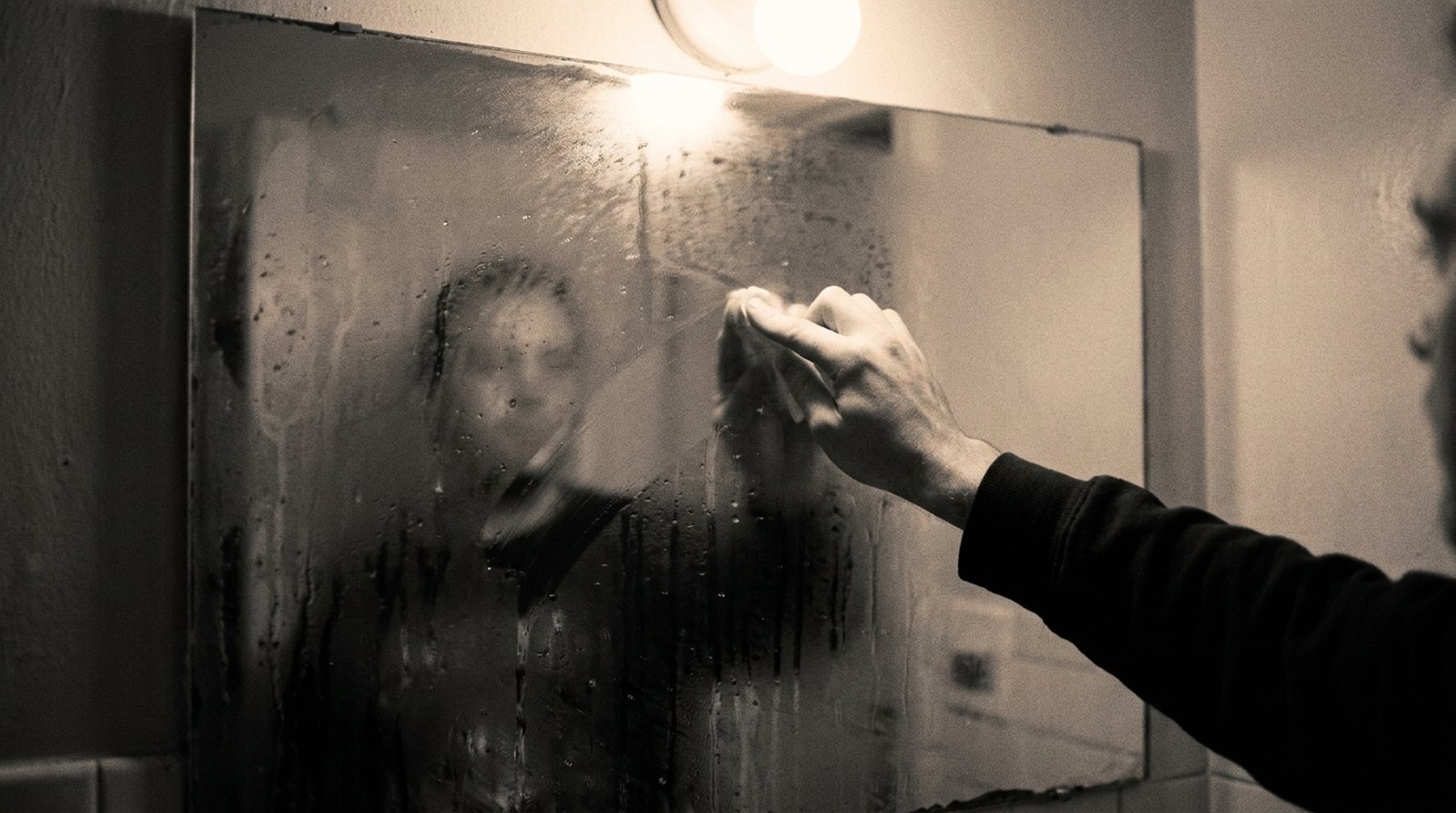
Your fear sets up camp right in front of you and keeps getting bigger the longer you watch it. Every flaw you have starts needling you. Every failure gets replayed, including the ones that never actually happened. It builds into a negativity so total it starts to feel like your whole identity. You begin eating yourself from the inside, and climbing back out of that is brutal — because by then you are completely alone, even though from the outside your life doesn't look isolated at all. The same solitude that once felt like safety is now the thing with its hands on your throat.
This, I think, is the one law in the whole book that isn't really about strategy. Every other law here is about reading other people, managing them, finding leverage. This one isn't aimed outward at all. It's aimed at you. Which is maybe why it reads less like tactics and more like someone actually looking out for you.
So: learn to face your fear. It will hurt. It will unsettle you — of course it will, it's your fear, that's the whole point of the word. But when you actually face it, something strange happens. It turns out the thing was never as big as you'd built it up to be inside that shrinking room. What's left after that is freedom. Not the small, careful kind. The real kind.
And nothing is worth more than that. If you lose your freedom, it doesn't matter what else you're holding onto, comfort included. A cage is a cage whether it's made of iron or gold. You still can't get out of it.
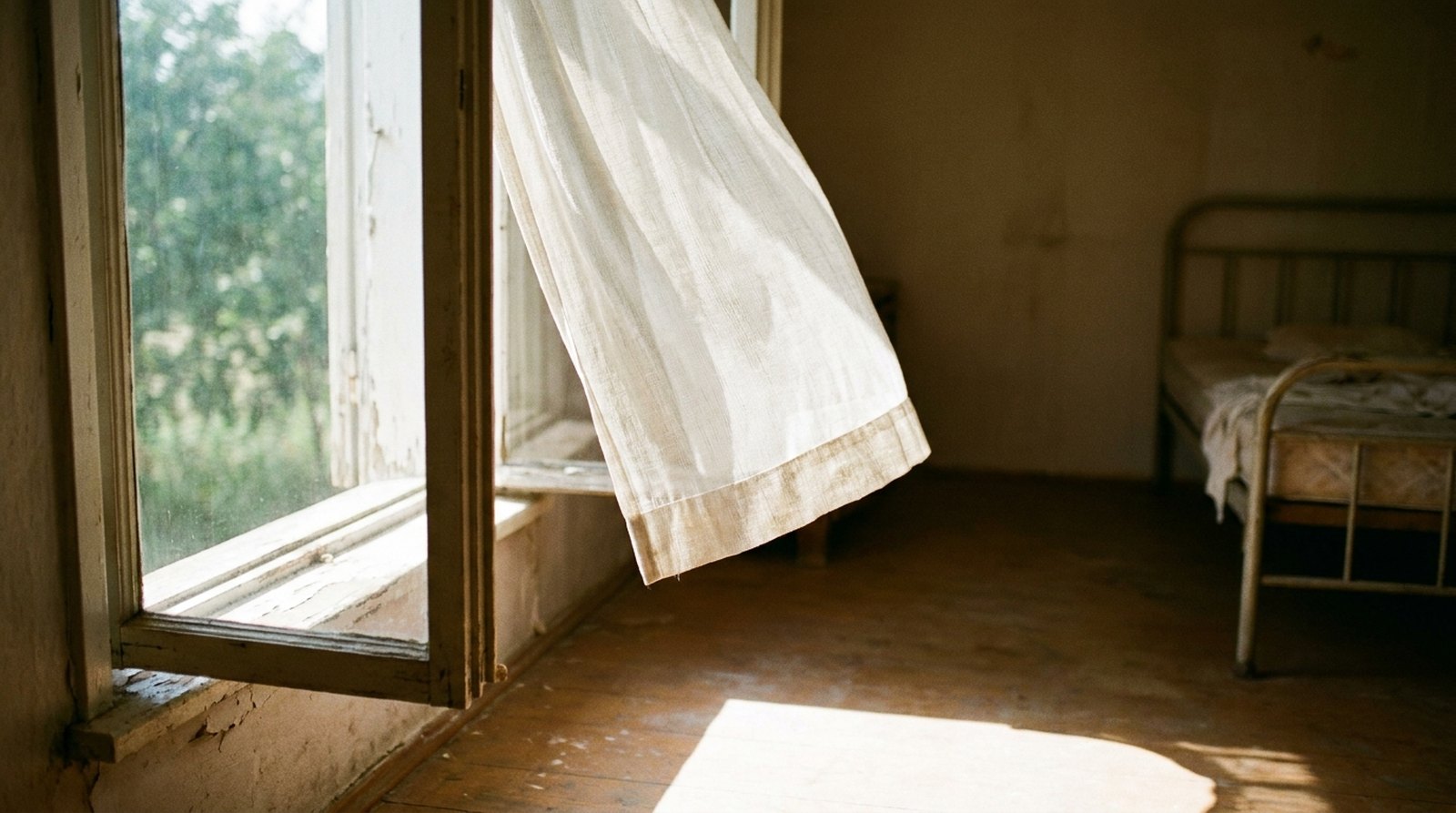
Law 18, from Robert Greene's The 48 Laws of Power: Do Not Build Fortresses to Protect Yourself — Isolation Is Dangerous.